BY AARDE WRITES for WEEKLY VOLCANO 3/27/26 |
Hey Aarde,
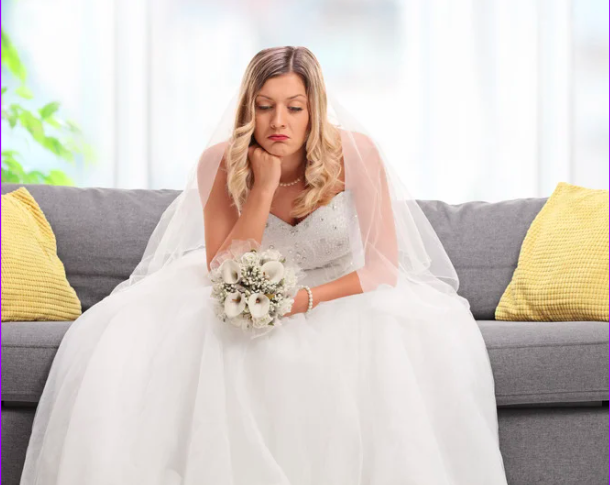
My boyfriend proposed a year ago, and ever since, I’ve been thinking about organizing a wedding. I have a Pinterest board with rows of unaffordable dream dresses, saved Instagram posts of arrangements dripping in exotic and fairly intangible flowers, and multiple tabs open to wedding day hairstyles and makeup, with all the “what not to do’s” glaring at me from the sidebars. I’ve racked my brain for venues, and the ones I have called had me choking on my spit at the cost of holding a small venue. I lie in bed and think of earrings, wedding songs, dancing, food, cake, photographer, chairs, and napkins. Is this what people do? Where do they get the time or money to even consider all of these details? And the worst part is that I am a pretty particular person. I like things to be pretty, unique, and memorable. I want people to walk away and think, “Wow, they really nailed that.” Oh God, vows. I told my fiancé to just show up and I would manage the rest, but now I am rethinking that. I don’t even know if I want to do all of this by myself or at all, to be honest. Help!
Signed,
Flexible Bridezilla
Hey Flexible Bridezilla,
What you’re feeling is far more common than people talk about, let alone admit. There is quite a bit of pressure around weddings to feel naturally effortless, when in reality most people are stressing the F out. I’m glad to hear that you are particular and flexible, because you’ll need both.
There is nothing wrong with wanting a special day that reflects the depth of your relationship. If everything goes off without a hitch, it says, “Surely, they are going to make it.” But that’s not entirely true. A perfect wedding does not mean the couple has won. It simply means that someone is good at organizing a vision, delegating details, and managing tasks. These accomplishments are not a reflection of your love. It’s just impressive logistics. And about doing it alone, don’t.
A successful couple is the one who can tell each other earnestly, “I’m overwhelmed, and I need your help.” You took on the solo project before you knew the requirements; you’re allowed to change your mind. In fact, it’s an honest step toward the kind of partnership you’re about to formalize; planning this together symbolizes something simple and important: “this is ours, not mine to perfect.” This could look like dividing decisions in a way that plays to each of your strengths. Practice being a team under pressure, something that is inevitable to come up again.
Right now, it appears you’re in a reverse engineering situation. You’re building it from the outside in, trying to fit real life into something curated, and that’s why it feels daunting. If you start with images (big budget or AI), praying all of your family’s personalities will fit neatly inside them, you might have a surprise in store. Life doesn’t work that way, and coming to terms with that truth now will benefit you for the rest of your life. Think about the weddings you’ve gone to; the ones that are heartfelt and honest are the memorable ones. People will only remember if you seemed present, if you laughed easily, if they saw the love in you and your partner’s eyes.
The focus of this celebration should be based directly on how your love currently exists. How is that? I’d bet that if I asked you to write down twenty words to describe your love, it wouldn’t contain “organized,” “successful,” or “managed.” Would it? It might look more like “free,” “comfortable,” “supportive,” or “nurturing,” to name a few.
So why not start projecting words such as those toward your special day?
If your love feels “free,” maybe your wedding doesn’t need a rigid timeline. If it feels “comfortable,” maybe you skip the ungodly uncomfortable heels and corset and choose something you can actually breathe and laugh in. If it’s “nurturing,” then maybe your day builds in the space to pause with each other, to eat, to check in, to actually be together.
You just need to decide what matters to you and your fiancé. Consider together if you want a wedding that “looks” right or a wedding that feels right. So, instead of trying to manage everything, try this: pick three things that really matter to you when you think about celebrating your love. Maybe it’s the music, food, and time of day. Maybe it’s your dress, vows, and guest list. Anchor and focus on those three things, and everything else can be simpler, cheaper, delegated, or skipped entirely.
And the “wow, they really nailed that” you’re chasing? It’s a moving target, and no one will remember each detail you fretted over. They will remember if you were anxious or present, frazzled or engaging. Go ahead and permit yourself to disappoint an imaginary audience if it means the two of you get to express your love in the way that suits your relationship. And don’t stress the vows. They are not performative for an audience’s approval. They should come naturally and be delivered with a tear in the eye and a crack in the voice. If it feels a little raw, unfinished, and vulnerable, you’re doing it right. Vows are not supposed to be perfect, as love itself is not.
It’s no big surprise that eloping is becoming increasingly popular with modern couples. It allows them to prioritize intimacy, authenticity, and financial freedom over the stress, cost, and expectations of traditional weddings.
Your overwhelm isn’t coming from the wedding; it’s coming from trying to optimize impression over experience. Decide what kind of love you’re celebrating, and be brave enough to let that be enough.