BY AARDE WRITES for WEEKLY VOLCANO 1/16/26 |
Hey Aarde,
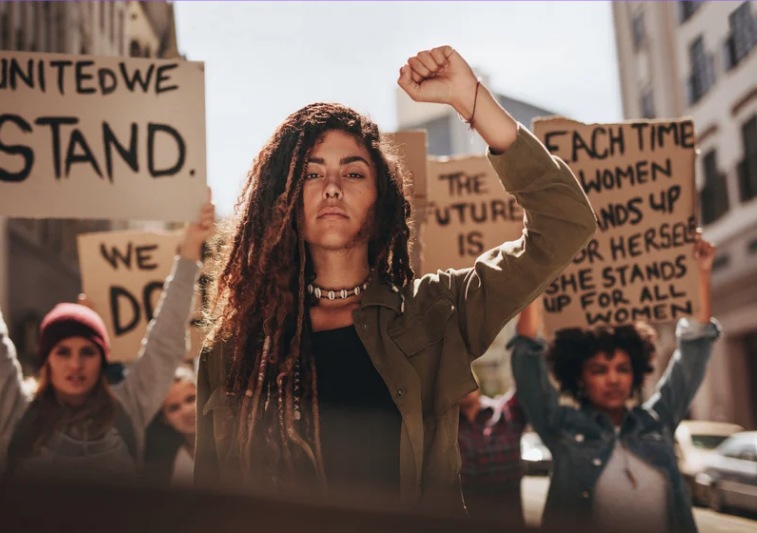
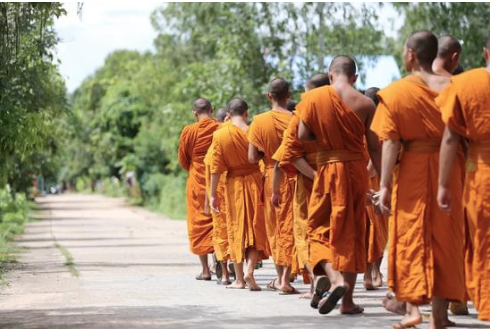
Okay, everything feels absurd. I’ve been crying for weeks. Between the state of the world, our government, citizens being killed, other citizens arguing that it’s acceptable, the monks walking for peace, and my own daily struggles, how is any of this sustainable? I have no control over the outcome of anything. I want to believe life is a pendulum that will swing back toward extreme goodness, but a voice inside me says, “It’s never hit extreme goodness. Don’t hold your breath.” What is the point of all this fighting, killing, and hate? A friend shared information about refusing to pay federal taxes, and honestly, I’m interested. I don’t want my money funding corruption and war crimes. Do you know anything about a countrywide federal tax strike? What would happen if I stopped paying? Does any of this matter? I’m so tired.
Signed,
Exhausted Objector
Hey Exhausted Objector,
What you are experiencing is understandable and what most of us are feeling right now. It does not matter where you live; people are tired. Our human hearts and universal souls are not meant to process the scale of systemic violence, moral fracture, and personal struggles that we are seeing on a minute-to-minute basis. In a world that often rewards numbness, crying is a sign of connection and strength. It shows that you care, and we all need that in our neighbors.
My personal, existential morality cannot accept violence and hate as inevitable and therefore acceptable. What I can acknowledge is that empires, fear-based systems, and scarcity thinking tend to reproduce violence until they collapse, are overthrown, or are transformed. I do not say this to give suffering meaning. I say it to place responsibility on those capable, to decide how we choose to participate within systems built on oppression and punishment. Corrupt leaders justify harm in the name of preserving power. Those who reject that logic resist not because they expect victory, but because they refuse to become what they oppose. That refusal is a moral stance. And it does matter.
I need to be clear and safe here. I cannot advise you on either decision, but I can offer thoughtful arguments for both sides and resources for further research to help you make your own decision. There is no legally recognized, consequence-free federal tax strike in the U.S. Choosing not to pay federal taxes can result in serious legal and financial consequences, including penalties, interest, wage garnishment, liens, and potentially criminal charges. Many feel that ethical tax resistance is a way to avoid contributing to funding wars, environmental destruction, and systemic injustice. Withholding payment is a form of nonviolent protest, and this approach has historically been used to express economic resistance and draw attention to moral wrongdoing. It is about moral clarity, not legal safety.
Now, I cannot say that the legal ramifications are not a concern. The state has more power and can enforce compliance at some point, which might destabilize your ability to survive and limit your long-term capacity to help others. It is understandable that even if you mark “exempt” on your tax documents, claim “sovereign citizen,” or do not pay when the bill comes, you will most likely face the legal consequences mentioned above. Yet, there are some helpful resources and legal support for those who want to navigate the federal tax resistance movement, such as http://nwtrcc.org, where one common suggestion is to put what you would pay in taxes into a high-yield savings account. This allows you to be a conscientious objector to how your government uses your well-earned tax money. This way, you can earn interest on the funds while you are making a moral statement, as many others are, while you hold out for government reform. This way, if reform takes longer than anticipated, you still have the funds to cover yourself should the taxman come knocking, most likely with a mask and a gun at this point. The idea is that if a large portion of citizens join the movement, the government would need to reform due to the power of the people. Feel free to listen to Dropkick Murphys’ “Boys on the Dock” now.
We’ve seen this pattern before: the Boston Tea Party, Gandhi’s Salt March, the UK Poll Tax resistance, and Vietnam-era war tax resistance. In each case, collective action drew attention to injustice. In each case, individuals paid a price. Change came slowly, if at all, and often benefited future generations more than the resisters themselves. In the simplest terms, a revolution or rebellion only works when millions participate, when the protests are highly visible, and when the tax is clearly unjust and easy to understand. Just as in any Star Wars or Lord of the Rings storyline, individuals almost always face consequences, but change comes slowly and can benefit the greater good in the future, making it less about our own personal experience and more about the generations to come. This seems to be a challenging mental shift for many, unfortunately. Tax resistance can matter, but it only works when many people move together, and even then, it costs something.
Keep in mind that there are other ways to claim your moral ground, such as boycotts, strikes, and mutual aid. Our Indigenous brothers and sisters have historically resisted by withdrawing cooperation, not just money, but refusing labor, trade, or recognition, while also maintaining community survival. Be sure to research and find what suits your comfort levels by finding value-aligned actions and deeply consider how people decide when resistance becomes worth the cost.
You’re asking real questions. That itself is part of how change has always started. Remember to take breaks and focus on grounding yourself in the present moment. It is easy to get swept up in the rush of resistance and rebellion, but you cannot do much if you start with an empty tank. Just as Bastian says in The Neverending Story, “We still have a long way to go.”