BY AARDE WRITES for WEEKLY VOLCANO 4/17/26 |
Hey Aarde,
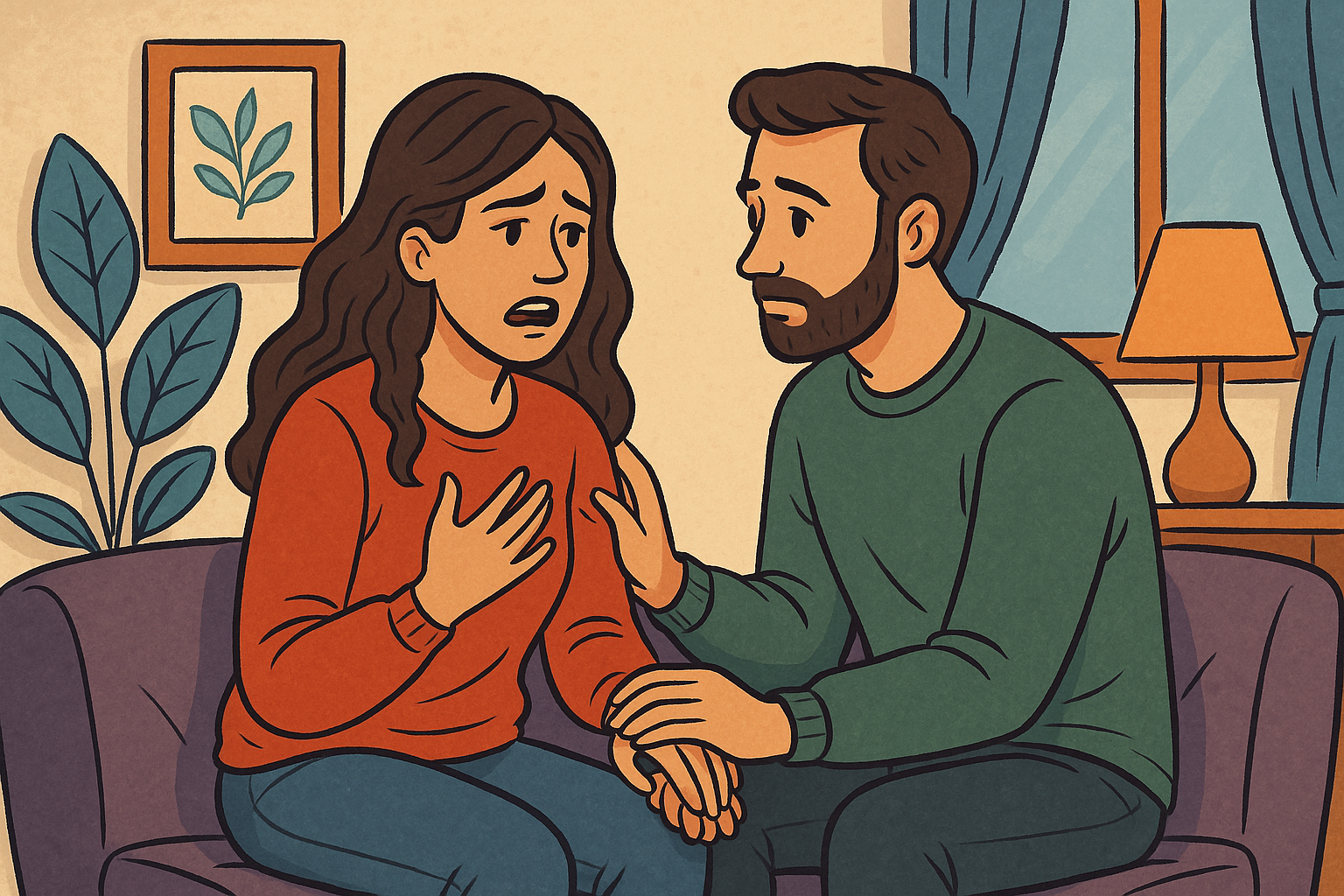
I’ve never been one to go on vacation. Even as a child, we didn’t travel much. I do remember going to the beach one time to fly kites, but there was no wind, and my dad was irritated over the whole ordeal, which stressed my mom the f out. On a happier note, I’ve been seeing someone new, and he loves to travel. He’s invited me on a few trips later this year, but I am nervous to join him for many reasons. What if I get navigationally disoriented and embarrass myself? Or am forced to eat foods that creep me out? What if we fight the whole time or want to spend our days differently? I’m just trying to wrap my mind around what this new territory could look like and how to not look like an imbecile. Thanks.
Signed,
Mossy Rock
Hey Mossy Rock,
Thank you for being so honest and thoughtful about your worries, and congratulations on your new and exciting relationship that is providing healthy challenges up front. While you haven’t traveled much or had negative experiences when you did, it makes sense that your brain would fill in the blanks with “what ifs.” Our minds have a powerful way of doing that. Your concerns are not obscure; they are actually very common considerations for all travelers, even seasoned ones.
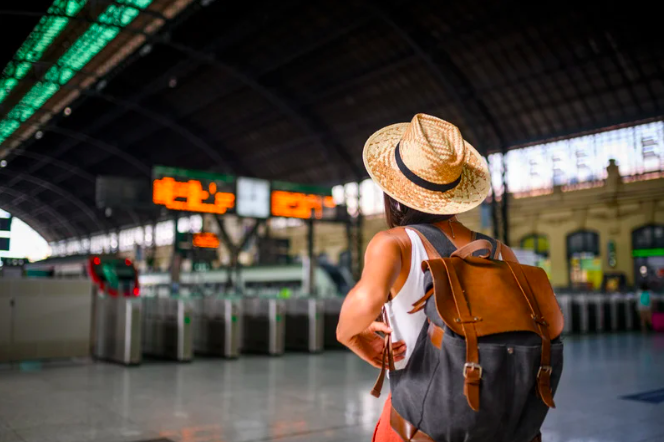
My first piece of advice is to take a test trip by yourself. I’m a big supporter of solo trips, especially for people who are new to traveling, because it is important to know that you are capable. I know it can feel intimidating at first, but there’s a certain kind of magic that comes from navigating an unfamiliar place on your own. It’s one of the best ways to figure out what you truly enjoy doing when you’re outside of your normal routine and can be a marker for the speed of your natural flow. A solo experience helps you build a personal baseline; it gives you a clearer sense of what you want your travel style to be.
You may discover that you love simple things like window shopping or walking along the beach collecting shells, or perhaps you crave something more adventurous, like horseback riding, skydiving, or jet skiing. Whatever you choose to do for your first solo trip, make it easy and safe. Do some research, check reviews, and be prepared, for example, cash on hand, a charged phone, and a check-in buddy, when planning your location. Perhaps rent a hotel room at the beach and pick up that book that’s been collecting dust on your nightstand. Or bring a small watercolor kit and let some colors run free. I have to admit, there have been times when I’ve rented a hotel room simply to never leave it, just me “bedrotting” somewhere with room service and a view. Granted, some vacations can be designed for relaxation and others for adventure, so it is good to determine which direction you’re going ahead of time, especially if you’re going with a companion.
Everyone’s idea of vacation is different. Some seek constant adventure, others desire a piña colada at the poolside. Some might want to eat out for every meal, while others prefer to find a local market to gather ingredients to prepare back at the rental. Knowing your own pace while getting to know how your travel companions spend their time is imperative to having a good time. My second piece of advice is to stay fluid to changing plans; there is no need to be rigid or to expect things to go perfectly. The balance of a healthy relationship is one of the most important considerations, as travel can disrupt normal routines and magnify dynamics that were not visible before.
Clarity beforehand and constant, open communication are key. There is no shame in communicating to gain clarity on your travel companion’s expectations, and doing it beforehand can eliminate a lot of stress for everyone. You’ll want to talk about expectations: how much exploring versus downtime each of you wants, how decisions will be made, and how flexible you both are. That kind of clarity can prevent a lot of tension. When it comes to traveling with another person or multiple people, it is important to accept that you’ll need to be in a fluid state for optimal enjoyment. For example, you might discover that your partner likes to wake up early and pack the day full of activities, while you prefer a slower start with coffee and a bit of quiet. Instead of letting that difference create friction, it can become something you plan around. You might agree to split the day, meet up later for dinner, or choose one or two “anchor” activities you will do together while leaving space for individual time. These small adjustments can make a big difference, allowing both people to feel seen and respected. Embrace the beauty of exploring alone without resentment. Everyone is different, and that’s okay.
Before the trip, you can curate an ideal itinerary together. Research places you would like to visit, restaurants to try, or experiences to share. Be sure to look at backup plans if the weather changes, check travel routes, and be okay with a card or dice game if you get “rained in.” Do not forget to advocate for yourself if you want downtime scheduled into the plan. The most important thing is to speak up for your needs while staying open to compromise. You are allowed to step away and fulfill something on your own list, even if your partner is not interested. It is okay to have space from each other. This kind of fluidity from you and your partner can make or break an excellent trip, so talk about all of this ahead of time. Until then, practice on a solo trip, find your own flow, and allow yourself to speak up. The world is full of amazing places, foods, things, and people. Once you get the travel bugs worked out, you’ll be enjoying yourself in no time, with or without a partner.
Do you have a question for Ask Aarde? Send them to jdaarde@gmail.com.