BY AARDE WRITES for WEEKLY VOLCANO 1/9/26 |
Hey Aarde,
I’m sick of living amongst the people. I want a little bit of solitude, but I can’t afford to leave the city due to my job. If I didn’t have to be close to my work, I’d live deep in the forest, on top of a mountain, or out at sea. What solutions do you have for someone like me?
Signed,
City Fatigued
Hey City Fatigued,
As much as I appreciate the benefits of a community and how it propagates a generally healthy mindset, it’s also easy to understand and support the need for solitude. Neighbors can be either a pleasant, helpful network or a nightmare of emotions and issues, and anything in between. It’s entirely understandable to crave an environment where you can step back, decompress, and exist without constant interaction or interruption. For many, especially those who work in busy urban environments, constant proximity to others can become draining over time. And some people need to recharge their energy to meet the expectations of a community.
For people in your position, there are limited options that truly strike the right balance. As for solutions worthy of your consideration, I have only one, and since I took this leap once in my own life, I feel strongly about it as a viable alternative.
We are lucky to live in a place where water is at every turn. Water naturally creates distance, both literal and psychological, from the noise and density of urban life. Therefore, the live-aboard lifestyle might appeal to you, offering a unique kind of peace that provides a self-sustaining experience and a sense of isolation without going too far into the woods.
The first appealing aspect is that not everyone can knock on your door. There is a great sense of calm when you have a built-in layer of privacy and security. Access is usually controlled by a locked marina entrance, a security code, or a key at the gangway gate, which significantly reduces unwanted interruptions. Visits tend to be intentional rather than incidental. Your neighbors are limited and typically do not bother you, as they enjoy the security just as much as you do.
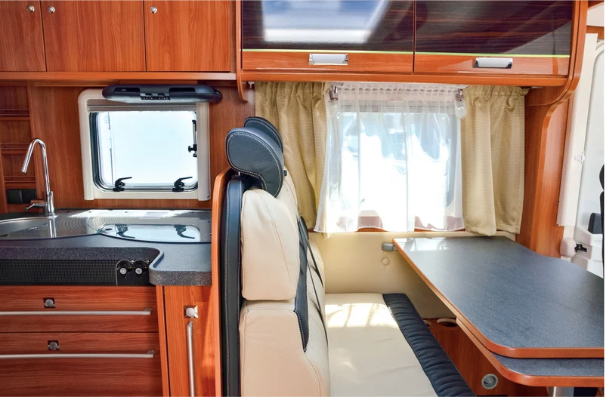
The second appealing aspect is that living in a space with reduced square footage encourages you to live more intentionally. When I moved onto a boat, I brought only enough for two of us: two mugs, two bowls, two spoons, etc. I curated a handful of books for intentional reading, my most efficient bedding, and only practical clothing for the season. I focused on one craft at a time since that is all I could manage to store materials for. I was more thoughtful about the food I brought aboard, since carrying the groceries down the dock could often be a chore. Marinas typically provide carts for this. Everything was simplified, and the attachment to the items that used to weigh me down quickly faded with the water’s rhythm. Becoming more aware of how you use resources like water, power, and space, you learn to manage them more thoughtfully.
Thirdly, there is a sense of independence as you learn to be self-sufficient in the live-aboard lifestyle. Everyday systems that are often invisible in traditional housing, such as electricity, plumbing, heating, and waste, become things you understand and maintain yourself, fostering confidence and competence. Maintenance becomes a form of stewardship rather than a burden, and instead of feeling overwhelming, it feels manageable. You build a sense of pride knowing how your electrical system is generated, stored, and distributed; how your plumbing works from tank to outlet; how heating and ventilation affect moisture and comfort; and how waste is managed responsibly. When something needs attention, it’s rarely abstract; you know where it is, how it works, and what it needs. Your direct comfort operates on a finite, closed system.
I learned quickly that my 80-gallon water reserve could last anywhere from eight to 40 days, depending on how conservative I was. The same went for propane; I could make it last an absurd amount of time if I wore wool and cooked with intention, so I often enjoyed warming my bones at the YMCA hot tub and sauna and eating a fresher, rawer, simpler diet.
All of these points create a sense of control over your space and your life, one that carries a subtle but lasting sense of satisfaction. Granted, there are some drawbacks to life aboard. The weather, maintenance surprises, marina rules, and sometimes all three simultaneously can be a challenge. This lifestyle is a bold choice and may not be for everyone. Alas, you could do a trial run, as I did, by renting a boat for a year and seeing if getting your sea legs is the solution to your problem. With our many marina locations, you are often either close to downtown or a thoroughfare, keeping you connected to your work and responsibilities while also offering a secluded retreat. The space you’re craving may exist not beyond the city, but just beyond the dock.