BY SUZY STUMP for WEEKLY VOLCANO 2/27/26 |
When Anthony Polimeni launched the Queer Arts Project, his goal was straightforward: to create meaningful gathering spaces for the LGBTQ+ community that did not revolve around nightlife.
“I wanted to create more things for the LGBTQ+ community to do that weren’t at a bar,” Polimeni said. “As a lover of art, the idea of creating workshops developed for the Queer community but open to all, for sharing and respecting the space and the art being created, was my primary focus.”
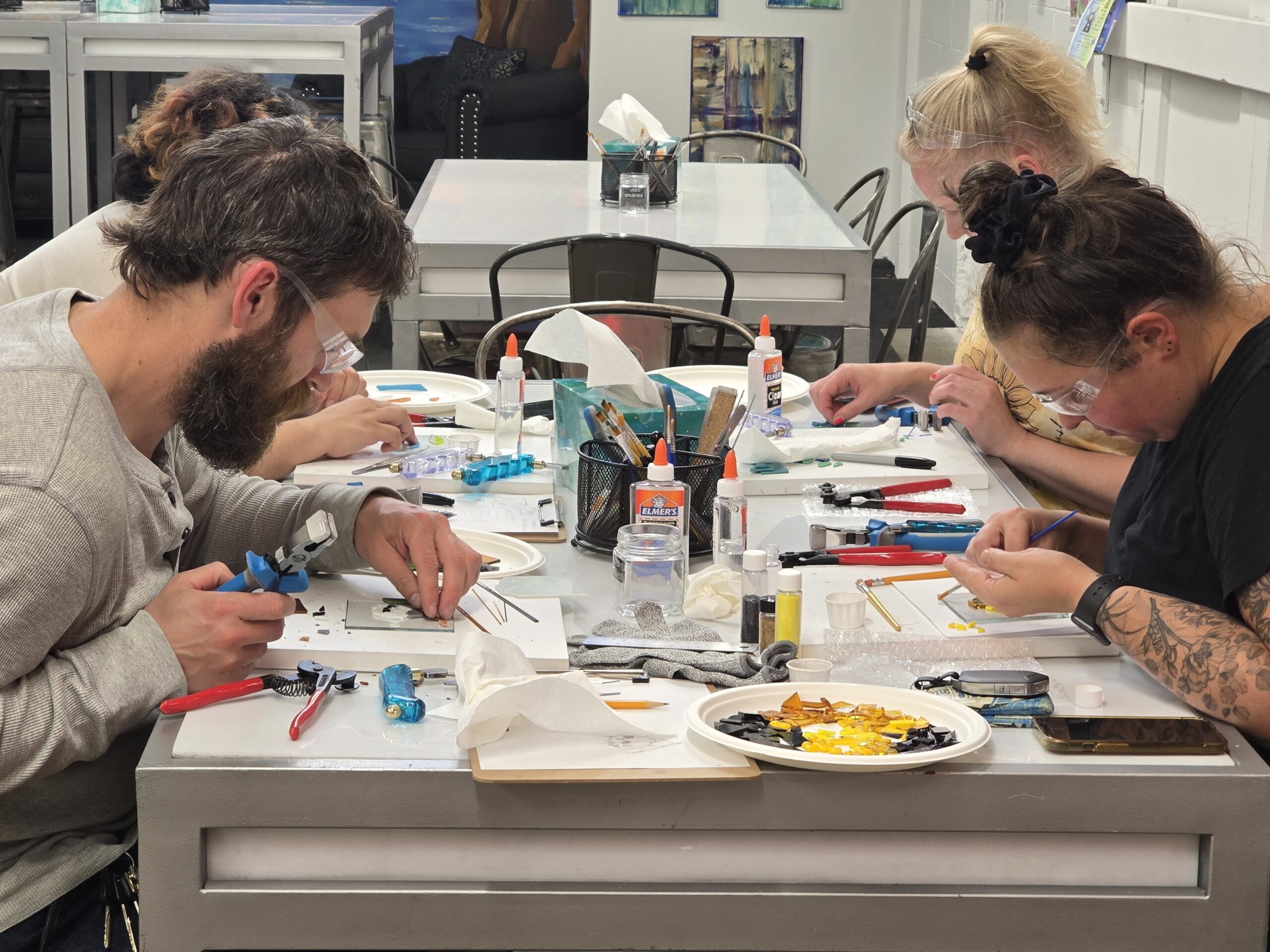
Now in its second year, the Queer Arts Project has grown from a grassroots idea into a robust arts access program supported by the City of Tacoma through Tacoma Creates funding. After developing the initial slate of classes and workshops, Polimeni applied for the grant. The funding allowed the project to expand significantly, from roughly 40 workshops in its first year to nearly double that in its second.
That growth has also been fueled by partnerships with local creative institutions and artists, including Tacoma Glassblowing Studio, Spun Clay Art Studio, and other area arts organizations. Together, they have built a rotating calendar of hands-on workshops designed to lower barriers to entry and welcome a wide range of participants.
The programming is intentionally broad. Workshops are open to the general public, with offerings for multiple age groups when possible. Participants have ranged from children as young as six to adults in their seventies. Whether someone is trying a medium for the first time or returning as an experienced artist, the invitation remains the same: come create.
Affordability is central to the mission. Many events are free, including the Tuesday night dance class held at Courthouse Square taught by Deshawn Morton, while others provide a set number of no-cost tickets for those who need financial assistance. For example, the project offers 10 free tickets for its glass fusing workshops to ensure that cost does not prevent participation.
Despite its name, the Queer Arts Project is not exclusive. Attendees do not have to identify as LGBTQ+ to participate. The only expectation, Polimeni said, is an awareness of what the space represents.
“The only requirement that we ask is to be aware of what the space means for the LGBTQ+ community,” he said. “Gathering and sharing experiences is the best way to learn and connect. These connections are what make our allies so important and vital to our rights, acceptance, and overall building a bigger, stronger community in general.”
Those shared creative experiences in studios, public places, and community spaces are part of a broader vision. The Queer Arts Project operates under Queer Life, also known as Queer NW, which continues to expand its programming. Donations help sustain and grow the workshops, and volunteers are welcome.
Community members can find upcoming events and registration details at queerartsproject.org, or support the work through donations and volunteer inquiries via the site. Queer Life is preparing to launch a new program later this year focused on individual and social wellness within the LGBTQ+ community. Partnerships are already in development.
For now, the arts remain the centerpiece, offering a creative, accessible, and intergenerational space where expression and community intersect.