BY SUZY STUMP for WEEKLY VOLCANO 3/20/26 |
Tacoma has never lacked for creativity. Musicians fill neighborhood venues. Painters and sculptors occupy studio spaces across the city. Writers gather in cafés and libraries to workshop new ideas. Yet for all that energy, the city’s creative sector has long faced a common challenge: turning artistic momentum into sustainable economic growth.
That challenge is precisely what Syed K. Jamal, founder of the nonprofit Grit City Studio, hopes to address.
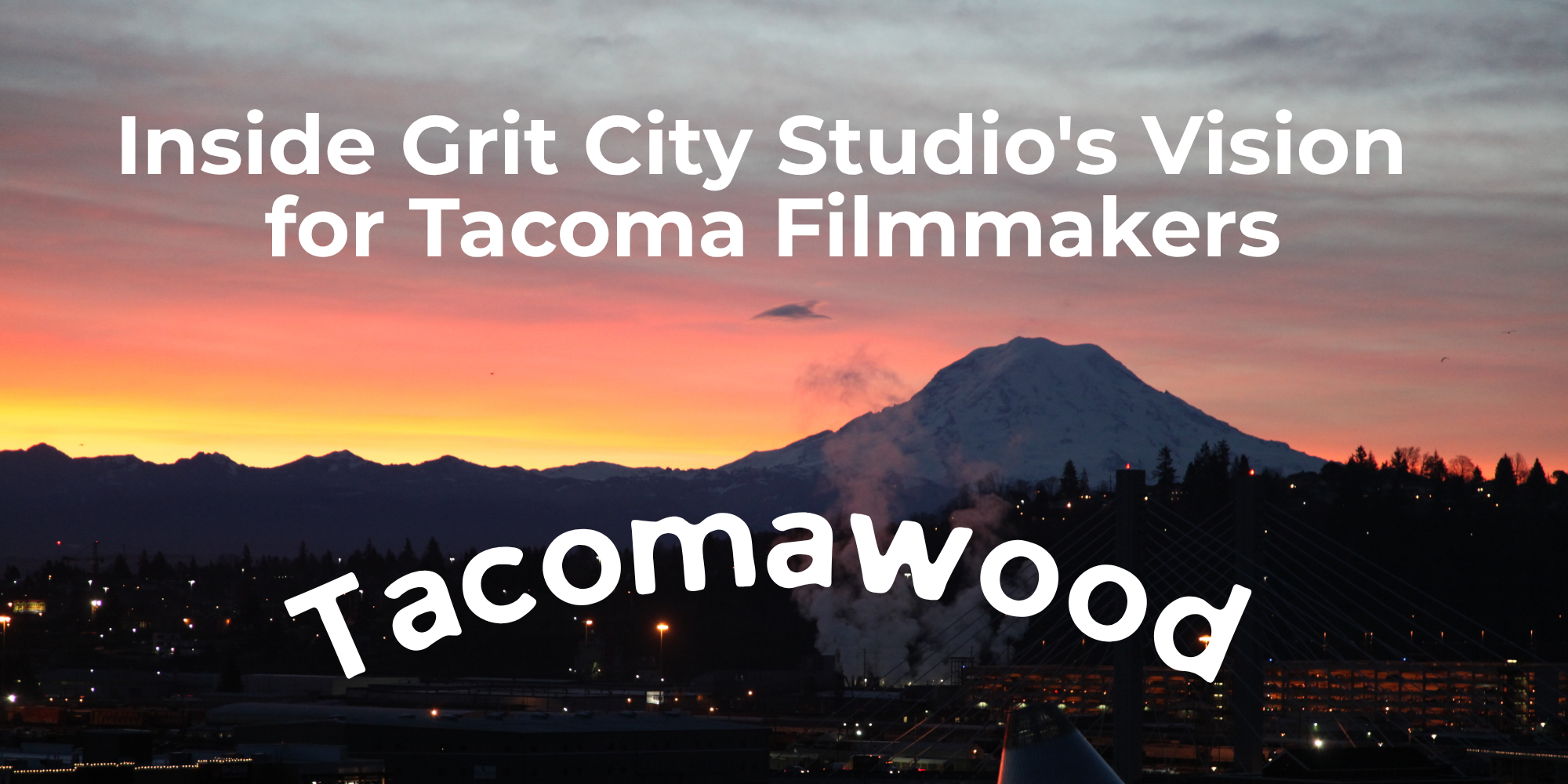
Founded in Tacoma with an ambitious vision, Grit City Studio positions itself as a catalyst for the city’s creative economy. Through workshops, festivals, partnerships, and media projects, the organization aims to connect artists, filmmakers, educators, and investors while using the arts to tackle larger social issues, including homelessness and hunger. For Syed, the idea emerged from a simple observation about Tacoma’s cultural landscape.
“I started Grit City Studio to strengthen Tacoma’s creative economy and to use creative economy strategies to address two critical issues facing our community: homelessness and hunger,” he said. “A key gap that Grit City Studio seeks to address is the lack of external relationships and investment supporting Tacoma’s creative sector.”
That gap is familiar to many Tacoma artists. While the city boasts a strong arts community and a deep cultural identity, funding pipelines, production infrastructure, and large-scale creative partnerships often remain concentrated in larger regional markets like Seattle.
Grit City Studio aims to change that dynamic by positioning Tacoma as a place where creative work is not only produced but also supported by a broader ecosystem.
In straightforward terms, Syed describes the organization’s mission this way: “Grit City Studio, a Washington-based nonprofit, creates programs and events that fuel Tacoma’s creative economy, advancing economic development and enriching the region’s cultural landscape.”
The phrase “creative economy” appears frequently in conversations about arts development, but its meaning extends well beyond galleries and performances. The concept includes industries such as film, digital media, design, publishing, and cultural tourism, sectors that generate jobs while shaping a city’s cultural identity.
In Tacoma, film production is one of the areas where that potential remains largely untapped.
Although Washington State has a long history of film production and scenic locations that have appeared in numerous productions, Tacoma itself has not developed the same level of industry infrastructure found in larger markets.
Syed believes the city already possesses many of the ingredients necessary to grow a local media industry.
“The film industry relies on a wide network of supporting elements,” he said. “A strong local arts and culture ecosystem, diverse locations, a capable hospitality sector, equipment rentals, production infrastructure, and a talented creative workforce.”
Tacoma checks many of those boxes. What it lacks, he argues, is a coordinated effort to bring them together.
“One of the most critical drivers of industry growth is the presence of favorable incentives and supportive regulations,” Syed explained. “While Tacoma already has many strengths to build upon, there is a clear need to invest in media production infrastructure and advocate for improved policies.”
The goal is not simply to compete with nearby cities but to cultivate Tacoma’s own creative identity.
Tacoma’s geography, neighborhoods, and history offer distinctive storytelling opportunities that could attract filmmakers looking for fresh visual settings. From waterfront landscapes and dense forests to historic architecture and working industrial zones, the city provides a wide range of cinematic environments within a relatively compact area.
“Tacoma is unique because of its history, the diversity of its locations and people, and its distinctive geography,” Syed said. “These strengths make the city an ideal setting for many genres of storytelling, including romance, comedy, historical drama, and nature-driven narratives.”
Still, infrastructure alone will not build a creative economy. Equally important is cultivating local talent and providing opportunities for people to develop skills within the industry.
One of Grit City Studio’s early initiatives, a Film Producing 101 workshop, revealed just how much interest already exists in Tacoma.
“What surprised me most was the level and range of interest from the greater Tacoma community,” Syed said. “Participants included everyone from high school students to an Emmy-winning producer.”
The workshop offered participants a practical introduction to the three core phases of the filmmaking process: preproduction, production, and postproduction. For many attendees, it was their first opportunity to see how creative ideas translate into a finished film.
That type of accessible programming plays an important role in lowering barriers to entry for aspiring filmmakers.
For people who want to explore filmmaking but do not know where to begin, Syed offers advice that starts with the basics.
“My first recommendation is simple: watch films together,” he said. “That’s one of the best ways to learn.”
He also encourages newcomers to take advantage of the many online tutorials now available and to connect with local creative communities.
Events like Filmmaker Conversations at The Grand Cinema provide opportunities to network, collaborate, and learn from others who are already working in the field.
Building those connections is critical because filmmaking rarely happens in isolation.
“One area for improvement is better connecting the different parts of Tacoma’s creative economy so that all stakeholders can work together more effectively,” Syed said.
He envisions a collaborative network that extends far beyond filmmakers themselves.
“We need bankers, economic development professionals, artists, tribes, educators, and infrastructure developers all at the same table,” he said. “They need to know one another, collaborate, and help shape a shared vision for Tacoma’s creative economy.”
Such multidisciplinary collaboration, he believes, is essential for cities hoping to cultivate sustainable creative industries.
“Cities do not grow without partnerships,” he said. “In the twenty-first century, many of the most successful ecosystems have been built through creative collaboration among communities, governments, nonprofits, businesses, and individuals.”
Beyond filmmaking, Grit City Studio is also developing programs designed to connect creative expression with community engagement.
One initiative, Other Side of the Street, is an eight-week storytelling and media training program for people experiencing homelessness. Participants learn creative media skills, share personal stories, and earn income through public showcases and collaborative projects.
The program reflects the organization’s broader belief that the creative economy can generate both cultural and social benefits. To learn more about Other Side of the Street visit: Tinyurl.com/street253.
At the same time, Grit City Studio is working on larger cultural initiatives intended to attract national and international attention.
Among the most ambitious is the upcoming Tacoma Literature Festival, a new event designed to celebrate writing and literary culture while bringing visitors and industry professionals to the city. The Festival will also celebrate the Doers of Tacoma Awards. See Tinyurl.com/doersoftacoma.
The organization is also developing a film project titled Grit Meets Destiny, which explores Tacoma’s story and cultural identity. Preproduction is underway, and fundraising efforts are currently in progress.
Looking further ahead, Syed imagines Tacoma evolving into what he calls a “global creative hub.”
By 2031, he envisions a city producing between five and eight film projects annually, developing a professional soundstage, and attracting more than one hundred out-of-state and international students each year through Study Tacoma educational programs connected to the creative industries.
Another component of that long-term vision is the creation of a Tacoma International Center, designed to help local artists and filmmakers build relationships with international partners and access new sources of funding.
The vision is ambitious, but Syed believes Tacoma already has the most important ingredient required for success: a community that cares deeply about storytelling.
“The enthusiasm for telling our stories, and supporting storytelling in our city, is extraordinary,” he said.
For Grit City Studio, the next step is turning that enthusiasm into sustainable creative infrastructure.
Whether through film workshops, cultural festivals, or new media projects, the organization’s efforts share a common goal: helping Tacoma’s creative community grow into an engine of cultural and economic vitality.
Residents interested in learning more about Grit City Studio or participating in upcoming programs can visit gritcitystudio.org or volunteer with the organization’s initiatives.
As Tacoma continues to define its place within the broader creative landscape of the Pacific Northwest, efforts like these suggest that the city’s artistic future may extend far beyond gallery walls and performance stages.
If Grit City Studio succeeds in its mission, Tacoma’s next chapter could be written, and filmed, right here at home.
For more information on how to contribute to these efforts, visit:
* Tinyurl.com/filmtacoma
* Givebutter.com/tacomafilm