
BY AARDE WRITES for WEEKLY VOLCANO 4/10/26 |
Hey Aarde,
I’d like to be a stronger reader. I feel like technology has riddled my brain, and reading more than a few sentences has become extremely difficult. Any suggestions?
Signed,
Elementary Edition
Hey Elementary Edition,
Like most skills, reading improves with consistent practice. When it comes to technology interfering with your mind power, you are among the masses with that concern. Let’s dig in.
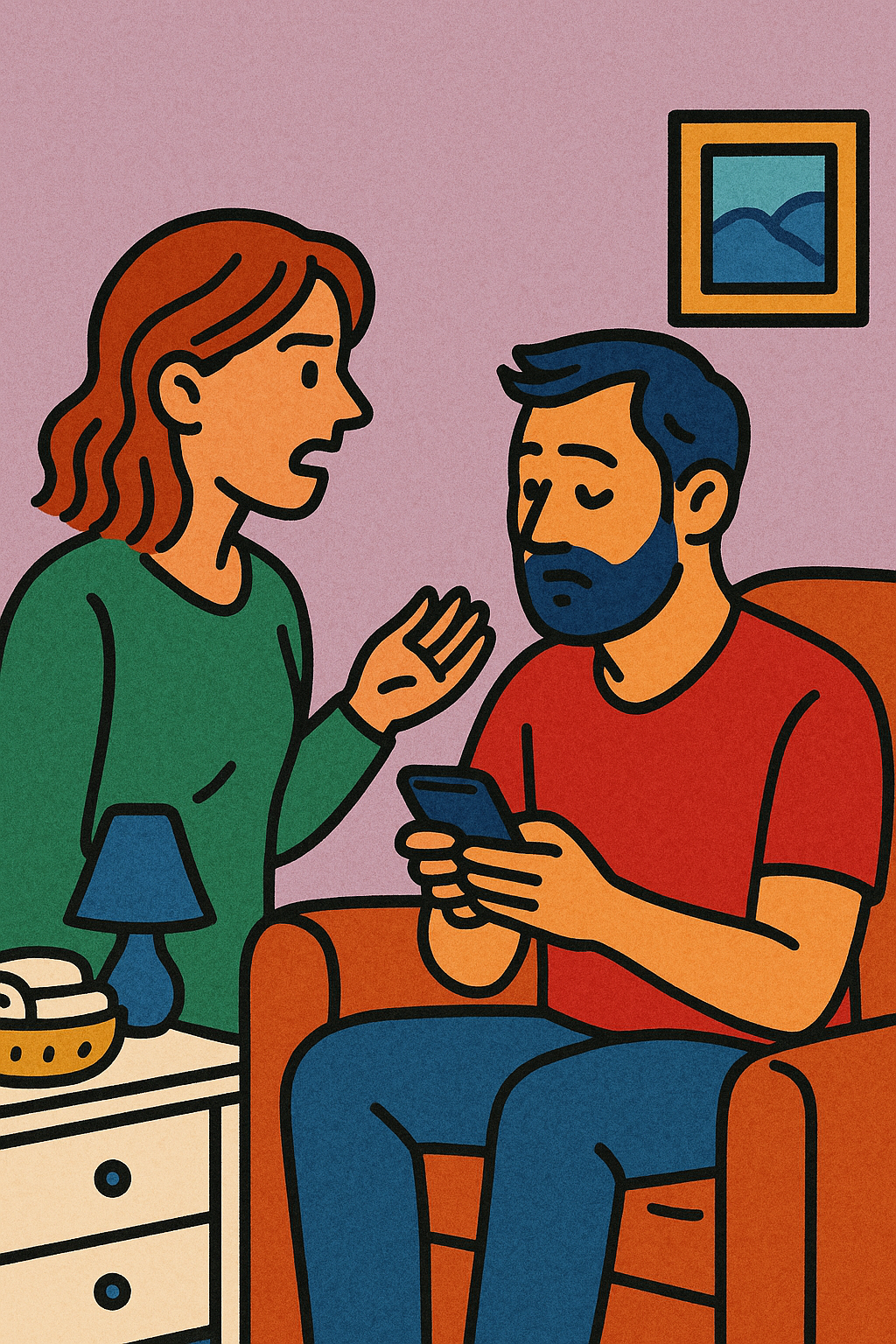
Technology is a double-edged sword. It can be used for good or bad, such as great advances in the medical or communication fields. But it can also be used to fragment our attention, making a lengthy commitment feel uncomfortable. The good news is that it isn’t permanent, and we can build or rebuild skills when we put our minds to it. With that said, it might behoove you to put your phone or other tech gadgets in another room when you sit down to practice.
Research shows that habits tend to stick best when we start small and stay consistent. I suggest setting a reasonable and attainable goal of only five minutes a day to start. Give yourself permission to take 300 seconds for yourself. The goal is to make it easy enough that you’ll return to the practice. You don’t have to win the reading race on day one. It may seem counterintuitive, but for the first few days, stop reading when your five minutes are up, even if you want to continue reading. This will create a desire to continue the next day and help you create and focus on developing consistency before stamina.
Try this!
Days 1–4: read 5 minutes daily
Days 5–9: read 7 minutes daily
Days 10–15: read 10 minutes daily
Days 16–20: read 12–15 minutes daily
Make it easy on yourself. Once you pick a book, keep it visible and ready. Just like a home gym, you’ll want to set the scene for success to bloom. Create a reading space that feels inviting, comfortable, and accessible. Perhaps your nightstand or a favorite chair will be your preferred spot. This small ritual tells your brain it is time to focus. Be sure to add a lamp, a throw blanket, and a little table for a cup of tea or other beverage. Maybe add a small kitchen or sand timer to this space, since you’ll be leaving your phone in another room for this practice.
One thing that is often a hurdle is finding material that will hold your interest. A major complaint for people in your position is getting bored quickly or picking advanced writing that is too difficult to tackle in the beginning. First, choose the format that seems most exciting to you: paperback, e-book, or audiobook. I can hear the haters now: “Audiobooks aren’t actually reading.” Yet there is solid evidence that audiobooks foster skills that encourage comprehension, vocabulary, and language exposure, as well as focus and engagement. It is suggested to find audiobooks that have the text included for immersive reading. This helps readers avoid getting stuck on unfamiliar words while understanding them in context. Think of audiobooks as learning to ride a bicycle with training wheels or learning to swim with floaties on our arms. There’s no reason to dismiss someone for learning in a way that works for them.
The next biggest complaint is finding material that holds the reader’s attention. Pick books that match your current attention span. Most short stories or novels, essays, personal narratives, or narrative nonfiction make reading fun and attainable. If a book feels like homework, close it. If it is dull or dry, confusing or boring, you do not have to read it. There is no rule written anywhere in the universe that says you have to finish a book you picked up for enjoyment. If the joy isn’t there, put it down.
Next, focus on active reading. This may sound strange, but when I trained myself to become a reader, I read aloud, often in an attempted English accent. I don’t know why, but it helped. It allowed me to create a voice, a sense of emotion, and flow to what I was reading. I understand not everyone is willing to perform, so this is just a suggestion, but if you feel stuck, why not give it a try? Or you can stay active by reading with a pen or a ruler and pausing after every sentence. This gives your eyes and brain time to connect while engaging fine motor skills, creating a more immersive reading experience. Even if you are reading aloud to your pets, you can lower the performance bar. You do not need to finish every book. You do not need to remember every detail. You do not need long sessions to be a real reader. A few pages a day still builds identity and habit. If focus drops, reduce the time and keep the habit alive.
Once your environment is set, the next challenge is choosing material that truly holds your attention. When I was helping my son become a reader, I called ahead and made an appointment with a local bookshop attendant. They asked him about his interests and offered age- and reading-level-appropriate material, helping him find books that would hold his attention and help him achieve his goals. Small, independent bookstores or libraries are excellent places to get guidance from passionate, nonjudgmental people. They are usually ecstatic to help someone find the joy of literature. They often have a schedule for upcoming book clubs, which can be an excellent way to step into the literary world with the support of others.
Here are a few books from my library that helped me start reading consistently and are often revisited for the power in their simplicity:
* House on Mango Street
* Anything by Ray Bradbury
* A Wrinkle in Time
* Heart Berries
* Mutant Message Down Under
* Prayers for the Stolen
* The Glass Castle
* The Midnight Library
* Anything by Christopher Moore
* If Beale Street Could Talk
* Go Ask Alice
* A Short Stay in Hell
* I Who Have Never Known Men
* Foster
* Orbital
* Train Dreams
It may take time to get your wiggles out, to calm the distractions, and really settle into this habit. Be gentle and patient with yourself. Start small, stay consistent, and let the habit quietly transform you into the reader you want to become.
Send your questions to jdaarde@gmail.com.