BY YAYOI LENA WINFREY for WEEKLY VOLCANO 4/3/26 |
One of the more popular events at Asia Pacific Cultural Center is its “Taste of Asia Pacific” monthly series. This learning occasion offers audiences a chance to prepare and eat meals representing a different Asian or Pacific Island community each month on a Saturday.
Previously known as “Taste of Asia,” the cooking classes were first created in 1996 not long after APCC was founded. And, according to Program Manager of Cultural Programs Dareth-Rose Pak, it eventually grew into a monthly occurrence just before 2010.
“Food is a great unifier,” she says. “Something that brings people together. And other than in Asian and Pacific Islander homes, there weren’t (and often still aren’t) always places to find all the variety of traditional Asian and Pacific Islander food at stores or restaurants.”
Pak adds that this is “especially true for smaller or lesser-known communities.”
She goes on to explain the purpose of APCC and its goal of teaching about culture, art, history, and traditions.
“What better way than to do it through food!” she exclaims.
The upcoming April 4 event will honor the Kingdom of Cambodia. Unlike most Asian countries that celebrate Lunar New Year according to a lunisolar calendar, Cambodia observes Khmer New Year, known as Choul Chnam Thmey, between April 13 and 16.
“This timing coincides with the end of the dry season and the completion of the rice harvest, allowing farmers to enjoy the fruits of their labor before the rainy season begins,” Pak explains.
According to her, the celebration was historically held in November or December until the 13th century, when the Khmer king moved it to April in order to align it with the agricultural cycle.
About 95% of the country is ethnically Khmer. Although all Khmer are Cambodian, not all Cambodians are of Khmer ethnicity.
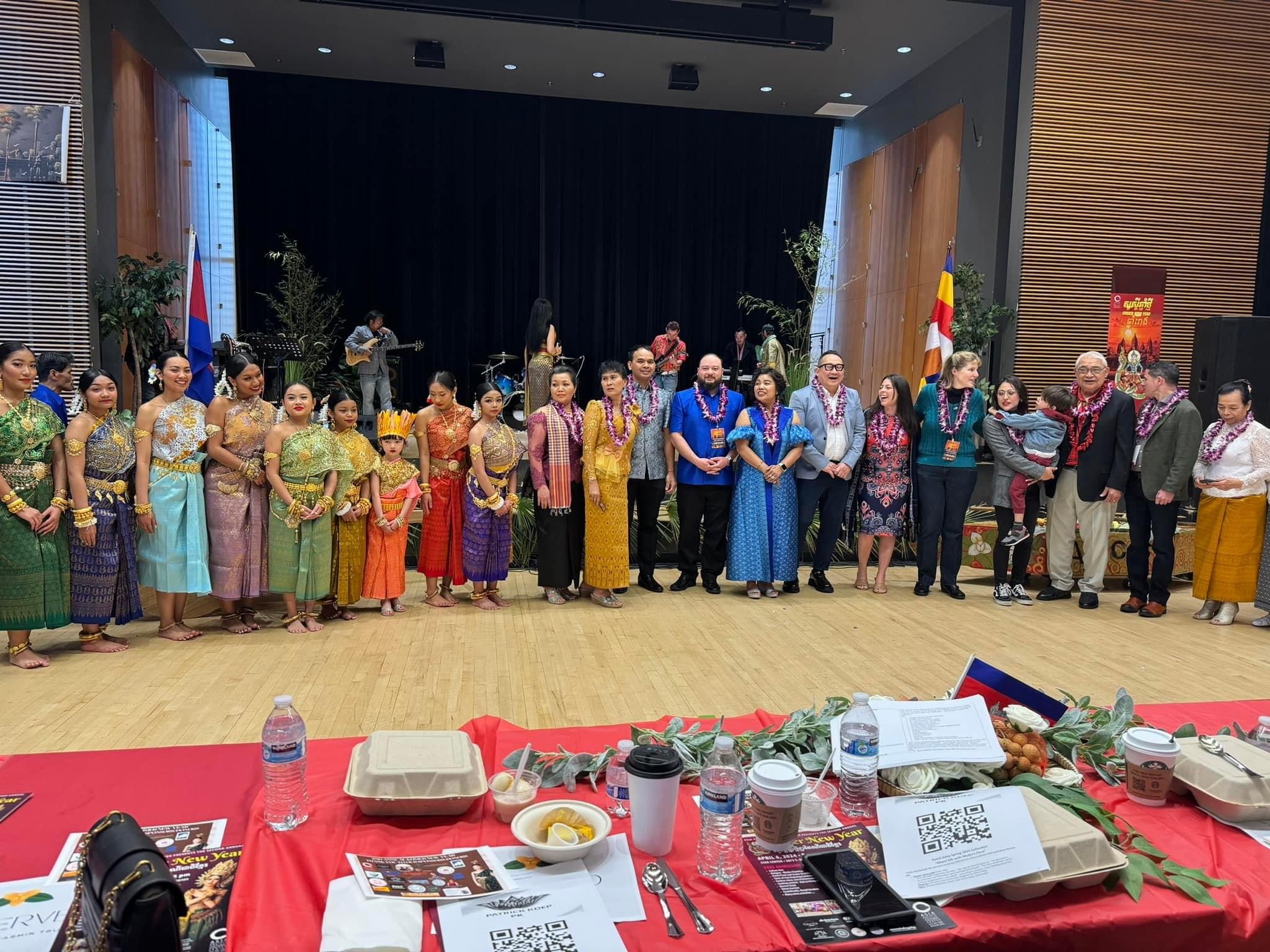
An important aspect of the APCC event is the wearing of traditional garments.
“We encourage our ‘Taste of Asia Pacific’ presenters to proudly wear their traditional attire,” says Pak.
“Often, they teach participants the meaning behind the clothing, how to wear it properly, what occasions call for certain clothing, the fabric and materials, and other important details.”
Participants are also invited to wear their own traditional clothing. In addition to dressing up, other activities are also offered alongside cooking and sharing food.
“Our ‘Taste of Asia Pacific’ classes are highly interactive, with lively discussions and conversations, and hands-on activities,” Pak explains. “We collaborate closely with the presenters to ensure that the class and teachings are authentic and respectful of their culture.”
She says that every class is unique and that uniqueness is created by the presenters, who include music, dance, games, crafts, and other activities as part of their presentation.
Presenters also contribute anecdotes and stories about the food to the class, according to Pak.
“They will talk about and teach the traditions and customs from their culture while teaching participants how to prepare their featured dish,” she says.
Based on feedback gathered over the years, it’s the stories that are most appreciated by participants.
“The stories are always mentioned the most as to what they loved about the class,” says Pak.
The following is a list compiled by Pak of popular Cambodian dishes being offered at the event:
Signature Dishes
Fish Amok is Cambodia’s most iconic dish, often considered the national dish. It is a fragrant fish curry made with freshwater fish, coconut cream, and kroeung (a Khmer spice paste), steamed in banana leaf cups to create a smooth, custard-like texture with rich, aromatic flavors.
Lok Lak is a popular stir-fried beef dish, marinated in a savory sauce and served on a bed of lettuce, tomatoes, and onions, often accompanied by a fried egg and a dipping sauce of lime juice and black pepper.
Kuy Teav is a traditional Cambodian noodle soup, typically eaten for breakfast. It features rice vermicelli in a clear pork or beef broth, garnished with sliced meats, herbs, and sometimes shrimp.
Bai Sach Chrouk is a simple yet beloved breakfast dish of barbecued pork served with rice, often accompanied by pickles, a small bowl of soup, or an egg.
Sach Ko Ang consists of barbecued beef skewers, usually served with a buttered baguette and green papaya pickles, reflecting the French colonial influence on Cambodian cuisine.
Bok L’hong is Cambodia’s version of green papaya salad, pounded with tamarind or lime juice and prahok (fermented fish paste), sometimes including smoked fish or salted crabs, and typically eaten with rice and grilled meats.
Khmer Curry is a milder curry compared to Thai versions, made with coconut milk, kroeung, and ingredients like beef, chicken, or fish, often served on special occasions.
Cha Houy Teuk is a traditional Cambodian dessert made from agar jelly, rice, coconut milk, and garnished with taro, red beans, pumpkin, or jackfruit.
Prahok Ktis is a traditional Cambodian dipping sauce made from prahok sach (fermented fish paste), minced pork, yellow kroeung, coconut cream, tamarind juice, palm sugar, pea eggplants, and kaffir lime leaves. It is often served with fresh vegetables such as cucumber, cabbage, long bean, and eggplant, making it a popular choice during family gatherings and special occasions in Cambodia. The dish showcases the unique flavors of Khmer cuisine and is known for its rich, aromatic profile.
Culinary Highlights
Cambodian cuisine emphasizes fresh herbs, spices, and fermented flavors, particularly prahok, a pungent fish paste that is a hallmark of Khmer cooking. Rice is the staple, served as regular aromatic rice or sticky rice, and meals often include a variety of vegetables, seafood, and meats. French influence is evident in the use of baguettes and certain baked goods.
These dishes reflect Cambodia’s rich culinary heritage, blending influences from neighboring Thailand, Laos, and Vietnam while maintaining unique Khmer flavors and cooking techniques.
A Taste of Asia Pacific: Cambodia
April 4, 11 a.m.
Star Center, 3873 S. 66th St.
Tacoma, WA 98409