BY AARDE WRITES for WEEKLY VOLCANO 3/13/26 |
Hey Aarde,
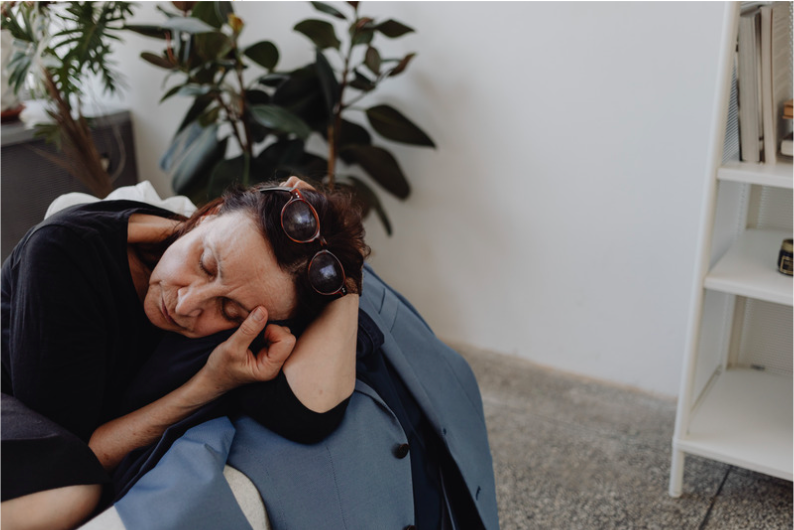
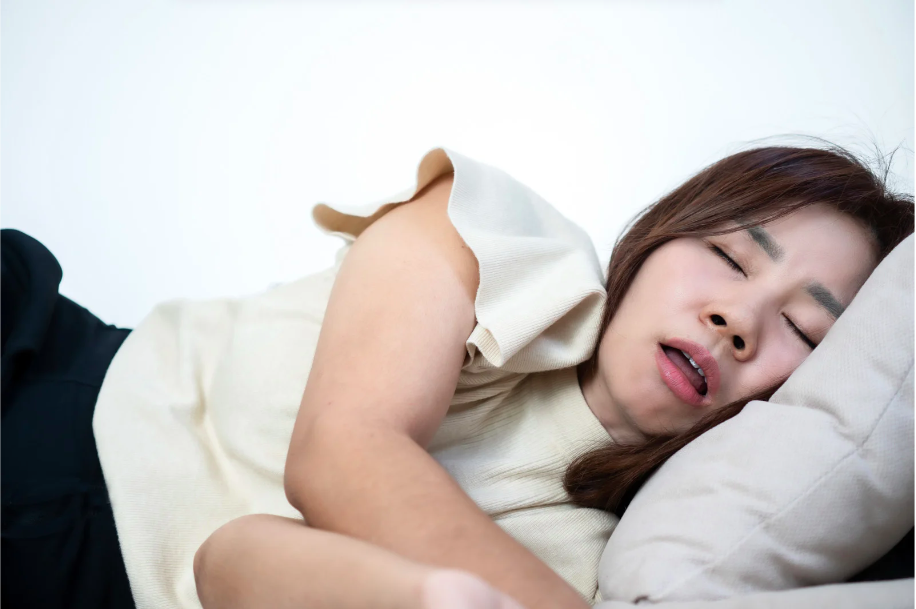
I’m new to this perimenopausal thing and am unsure if this is related. I’ve done some research, but there’s so much to read through, and half the time I get halfway through and realize it’s an advertisement. I figured it was worth a shot to ask if you might have an idea. The last few weeks, I have found myself choking on air while I’m sleeping. I wake up gasping so deeply that I begin coughing violently. I don’t snore and have never had this problem before. It sounds silly to mention, but it’s scary enough that I have to put it out there. Ideas?
Signed,
Suffocating Beauty
Hey Suffocating Beauty,
First of all, waking up gasping for air is terrifying. You are not being silly, and you’re definitely not the first woman in perimenopause to experience something like this. And your observation about menopause research turning into advertisements halfway through? Unfortunately, that’s the internet for you.
Somewhere along the way, the line between helpful medical info and enthusiastic product pushing got a little blurry. You think you’re learning something valuable, and the next minute you’re being told that a $99 herbal gummy will fix your entire endocrine system.
Many women don’t realize that breathing changes can show up during perimenopause until they wake them up in the middle of the night. Fortunately, you came to the right place, and the right decade, to open up the topic. For decades, women were dismissed and treated like they were being dramatic when they reported strange symptoms. (History reminder: “hysteria” treatments were not exactly subtle.) Thankfully, these topics are finally making it to the front lines, and more women are willing to talk openly about what’s actually happening to their bodies. We are no longer letting shame or outdated taboos set the stage for how much we understand ourselves.
That said, menopause still holds plenty of mystery. Much of what we know comes from a combination of scientific research and women comparing notes. Scientifically speaking, there are hundreds of symptoms associated with perimenopause, menopause, and postmenopause. If you can name it, it’s probably on the list somewhere. Not exactly helpful, but at least validating. Somewhere out there is probably an official chart confirming that sudden rage toward a loud chewer you typically love wholeheartedly is also hormone-related. We are learning as we go.
Let’s hone in on your specific symptom: gasping for air while sleeping. This is often associated with sleep apnea and can become more common during and after menopause. Due to hormonal changes, many women report developing this issue during this stage of life.
Our young, healthy bodies maintain airway stability and breathing regulation with the help of estrogen, which strengthens upper airway muscle tone, and progesterone, which stimulates breathing. As these hormones become more unstable, our airways can weaken and, in some cases, become blocked by shifting neck weight. Yes, I said it: neck weight. (And please remember, it is a privilege to grow older; some people never get the opportunity.) Our bodies are simply redistributing things in creative ways as we age, so make peace with it.
Sleep apnea is often underdiagnosed in women (go figure), and here’s where the hormonal plot thickens: the risk of sleep apnea can increase if you’re not using hormone therapy, but it is also listed as a possible side effect of progesterone therapy. In other words, welcome to the hormonal roulette wheel. If we don’t laugh about it occasionally, we’ll cry into our heating pads, possibly risking electrocution. Progesterone plays a role in regulating the brain’s respiratory control center, so fluctuations in its levels can affect breathing patterns in different ways. One helpful action might be to keep a simple sleep journal to track when these episodes occur and how often. That information can make conversations with your doctor much more productive.
Another important point is that sleep apnea presents differently in women than in men. We’re used to hearing about loud snoring and dramatic pauses in breathing, but women may experience subtler symptoms such as insomnia, nighttime anxiety, fatigue, or waking suddenly with the gasping sensation you described. Because of that, it’s important to advocate for yourself. I would suggest speaking with your doctor sooner rather than later. Waking up gasping for air isn’t something you should power through.
Left untreated, sleep apnea can increase the risk of high blood pressure, heart disease, depression, anxiety, cognitive decline, or even stroke, to name a few, so it’s worth taking seriously, both by you and your doctor.
So what should you actually do?
First, talk to your doctor. Gasping awake is absolutely worth investigating. They may recommend a sleep study, many of which can now be done at home, to determine if sleep apnea is, in fact, the culprit behind your late-night air parties. Second, if you’re currently on hormone therapy, don’t panic and stop abruptly. Instead, have your provider review the type, dose, and timing. Hormones can both help and complicate breathing regulation, so it’s about finding the right balance for your body.
And finally, keep trusting your instincts. If something feels unusual or concerning, it deserves attention, even if it isn’t one of the “classic” symptoms people talk about. Our bodies have a way of whispering before they start shouting. Listening early can save you a lot of sleepless nights later. Try this positive affirmation to help strengthen the connection with your body: “My body is wise, my signals matter, and my intuition deserves my trust.”
P.S. Since we are already discussing fascinating menopause symptoms, if your inner ears suddenly feel like they’re itching from the inside out, you’re not imagining that either. A small dab of hemorrhoid cream on a Q-tip, applied carefully to the ear canal, can calm the itch. I’m telling you, this little trick has saved my sanity lately.