
BY NATHAN SPIECKER for WEEKLY VOLCANO | 10/9/2026
Most of us don’t spend too much time thinking about how a credit card works, as long as we’re able to get the balance paid off every month. We make the purchase, the statement arrives, and we pay the bill. The first time a purchase has to stretch into another month, however, things can get less comfortable.
Paula needed a new phone and used her new credit card to make the $500 purchase. She knows she won’t have enough money in her checking account to pay the entire balance right away. Her next paycheck is coming in a couple of weeks, though, so the plan is to make a partial payment at that point and finish paying the rest of the balance the following month.
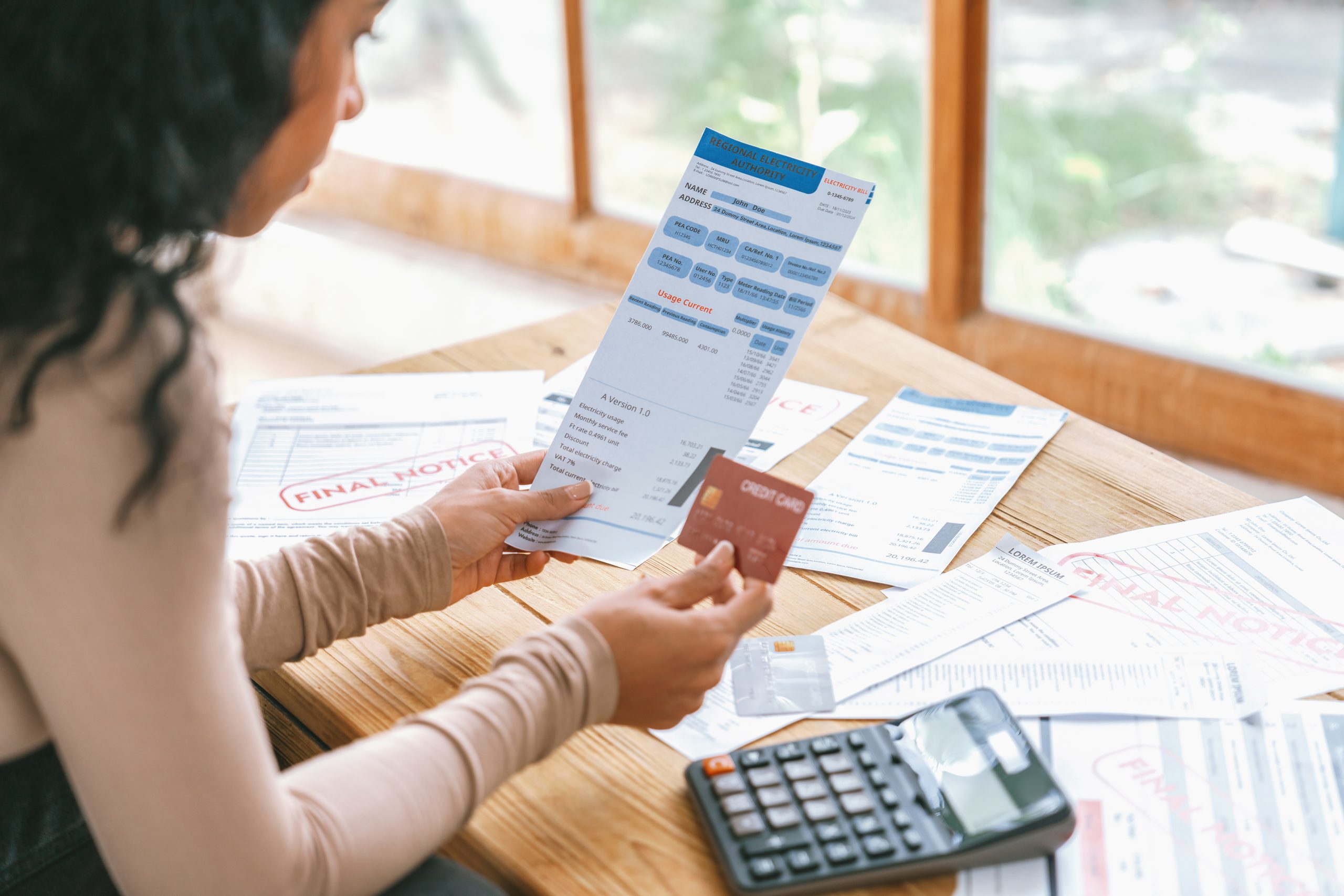
The purchase itself is easy. The card works like a typical payment card and the transaction goes through. A few weeks later, the statement arrives. It shows the $500 purchase, a minimum payment, a payment due date and several other numbers. Paula knows that she owes $500, but now there is a question she didn’t have to think about at the checkout counter: What does she actually have to pay, and when does she have to pay it?
With a debit card, money comes out of our checking account when making a purchase. We pay for the purchase the moment that we swipe our card. When we make a purchase with a credit card, however, what we’re really doing is borrowing the money necessary for the purchase, with a promise to pay it back later, usually with interest. More on that in a bit.
The bill is organized around a billing cycle. Purchases and other transactions during the billing cycle are added to the account, and when the cycle ends, the card issuer produces a statement showing what happened during that period.
Going back to Paula’s $500 purchase, if it was made near the beginning of the billing cycle, several weeks might pass before it appears on a statement. When the cycle closes, the statement could show a $500 statement balance, a $25 minimum payment and the payment due date usually about a month away. The time between the end of the billing cycle and the payment due date gives Paula time to make her payment. If her card has a grace period and she pays the full statement balance by the due date, she can generally avoid interest on purchases.
Here, timing can make a big difference. If Paula gets paid before the due date, she may be able to pay off the entire $500. The fact that she didn’t have the money available on the day she made the purchase isn’t a deal breaker, because the bill is not due that same day. The statement comes first. The payment due date comes later.
Those dates are easy to mix up because we don’t usually think about a checking account this way. With a checking account, the balance generally reflects what is in the account at that moment. A credit card balance can include purchases made at different points in the billing cycle. That can get even more confusing after the statement arrives.
Say Paula uses the same card for another $100 purchase a week after the $500 statement has closed. The app may now show a $600 balance, but that doesn’t necessarily mean $600 is due on the next payment date. So, what is actually happening here?
The original $500 statement is for the billing cycle that has already closed. The newer $100 purchase happened after that cycle ended, so it will generally appear on the next month’s statement. The current balance will keep changing as the card is used and paid on, whereas the statement balance is tied to one particular billing cycle.
Once we understand that distinction, the numbers on the statement make more sense. We can see what we owe for the billing cycle that just ended without feeling like every dollar showing in the app is part of the bill currently due.
There is another number that deserves some attention: the minimum payment. In our example, Paula’s statement might say that at least $25 is required by the due date. Paying that amount can keep the account from becoming past due, but it doesn’t pay off the $500 purchase. If she chooses to only pay $25, the remaining balance will be carried into the next billing cycle and generally accrue interest according to the card’s terms. Paula’s initial $500 purchase can end up costing more than $500 by the time it is fully paid.
Carrying a balance changes the experience of using a credit card. When we pay the full statement balance by the due date, a card with a grace period will generally allow us to avoid paying interest on purchases. When we carry a balance, interest (i.e. the cost of borrowing money) can add to the overall amount we owe, and the details depend on the card’s terms.
Now this doesn’t mean that every credit card purchase needs to be paid off immediately or that using a credit card is inherently a problem. It means that we need to understand what the numbers on the statement actually mean, and how timing can affect our ability to pay off the bill.
For someone getting used to a credit card, it is worth understanding the statement instead of looking only at the balance in the app. The statement balance, minimum payment and payment due date tell us three different things. The transactions show what made up the bill. The statement closing date helps explain why a newer purchase may not be part of the amount currently due.
After a few billing cycles, the pattern starts to look less mysterious. In Paula’s case, the $500 purchase was made, the billing cycle closed, and the statement arrived a few weeks later. She now has until the payment due date to make at least the required minimum payment. In the meantime, she made a new purchase that may already be showing in her current balance, waiting for the next statement. If something changes in Paula’s financial situation, and she ends up having to carry a balance from one month to the next, there is one more number worth paying attention to: what the borrowing itself is costing us.
That’s where we’ll pick up next week.
This column is produced by the Washington State Department of Financial Institutions, Washington’s financial services regulator, to provide consumer education and protection. Learn more or file a complaint at www.dfi.wa.gov.