BY AARDE WRITES for WEEKLY VOLCANO 5/29/26 |
Hey Aarde,
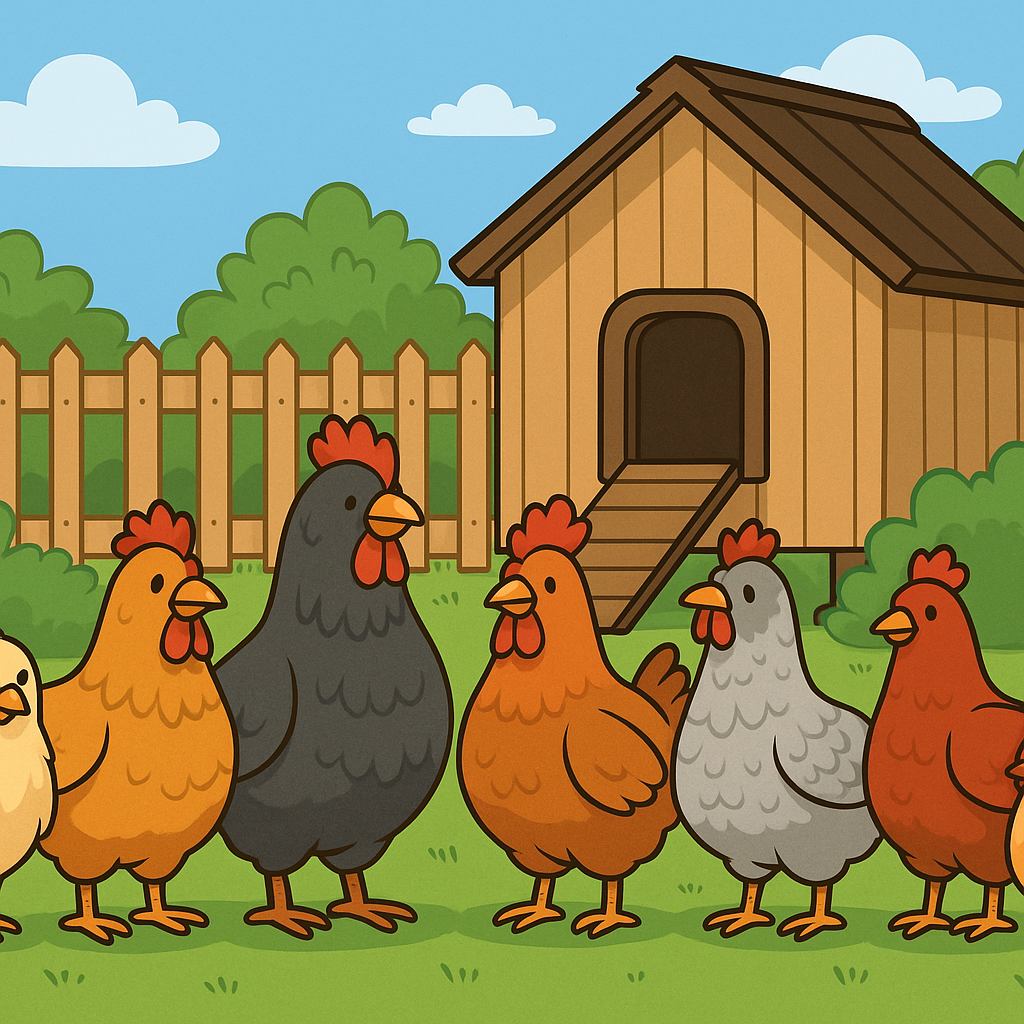
I did it. I got chickens. It’s been a year now, and I’ve learned a lot but also feel like a lost lamb at times. I’m using the deep litter method and am not sure which part is compost, what is safe to put in the garden, and what to do with the poop that I clean out of the coop. Do I throw it in the run? That seems weird for some reason. I know chicken manure is like gold to gardeners, but how and why? Thanks!
Signed,
Chicken Lady
Hey Chicken Lady,
It’s always a hoot to chat with other chicken parents! There is always so much to learn, isn’t there? You’re already ahead of the game by using the deep litter method. Many chicken keepers don’t realize how valuable it can be, not just for the chickens, but for the garden too. Deep litter is one of those old-school practices that sounds fancy but is really just working with nature instead of against it. Not only is it an incredible way to build compost, but it also reduces how often you have to clean it, absorbs moisture and odors, adds insulation in the winter, reduces mud, encourages natural foraging for chickens to scratch and peck, and is inexpensive! Congrats!
So, how does it work? It’s easier than baking a cake, that’s for sure! As with any waste, the bedding, spilled feed, and other plant materials slowly break down over time; this bedding works as your “brown” carbon source. The chicken manure adds nitrogen and serves as the “green” source, further breaking down the bedding. The chickens help to bring in oxygen by scratching, a.k.a. aerating the ingredients. Then the bacteria and fungi feed on this organic blend, converting it into compost. It’s basically nature’s recycling program.
Here’s an easy way to remember: Green (nitrogen) + brown (carbon) + oxygen = compost magic.
Troubleshooting is always a reality, so pay attention to what your litter is telling you. Healthy deep litter should smell earthy, kind of like a forest floor after rain. If it’s too wet, it could smell strongly of ammonia, rotten eggs, or vinegar; you’ll need more browns like dry leaves, straw, pine shavings, or shredded paper to balance it. If it looks dry, fluffy, slow to break down, or has white fungal threads running through it, you likely need more greens. If everything seems balanced, but it still smells sour or gets slimy and compacted, it needs more oxygen and should be turned more often. Luckily, with the deep litter method, this is rarely the issue, and chickens are excellent compost turners.
What do you do with the poop from the coop? And yes, please say that sentence out loud because somehow chicken conversations always sound ridiculous. The answer is yes, you absolutely can toss coop cleanings right into the run or compost pile and let it age. Over time, it will heat up, break down, and become safe for garden use.
Chicken manure is considered “garden gold” because it contains high levels of nitrogen and other trace minerals plants need to grow. Fresh chicken manure is a powerful fertilizer and certainly comes in abundance, am I right, or am I right? It is very high in nitrogen, but it can also burn plants if used fresh, so make sure it has some time to mellow out with the deep litter (carbon) and ample chicken scratching (oxygen).
In our climate, many people turn their run once or twice a year and then let the removed material cure for several more months before spreading it in garden beds. If you’re in a hurry to use the compost, you can keep smaller piles, as they cure faster. Just remember that colder weather slows decomposition, so patience is part of the process.
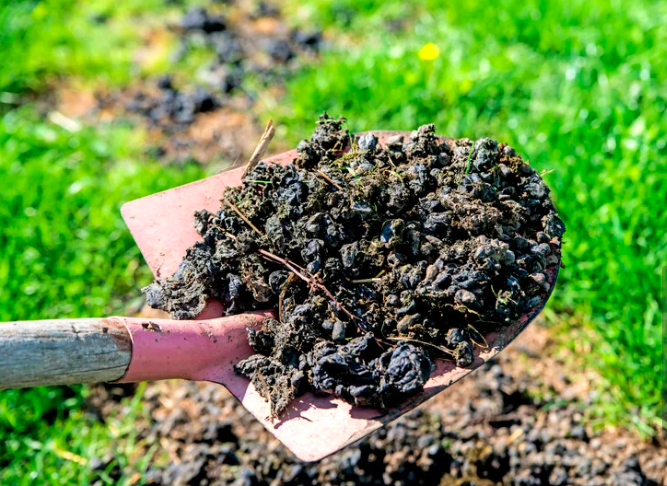
You’ll know your compost is ready to use when it is cool to the touch and looks like the dark, crumbly, earthy material you buy at the store; it won’t look like bedding or manure anymore. Once fully cured, you can mix it into garden beds, top-dress around established plants, or use it to enrich tired soil. Your tomatoes, squash, and flowers will love it.
And don’t worry, every chicken keeper has moments when they feel completely lost. The fact that you’re asking questions and paying attention means you’re doing just fine. Before long, what once looked like a messy chicken run will become rich soil, healthier plants, happier hens, and a reminder that good things often grow from humble beginnings. With a little patience and some trial and error, you’ll start to see that composting isn’t about getting everything exactly right; it’s about learning to work with nature instead of against it.
May your eggs stay uncracked and your compost stay cooking!
Email your questions to jdaarde@gmail.com