BY NATHAN SPIECKER for WEEKLY VOLCANO | 9/18/2026
Marcus had been waiting for the day he could make the last payment on his car loan. For several years, the payment had been part of his monthly budget. Now the loan was gone. One less bill. One less balance. One more piece of debt behind him. A few weeks later, Marcus checked his credit score. It had fallen 22 points. His first thought was probably the same one many of us would have: How could paying off a loan hurt my credit?
The short answer is that our credit scores change when the information used to calculate them changes. Sometimes that happens because we did something different. Sometimes it happens because an account was paid off or a balance changed. And sometimes the change is something we didn’t expect at all. The score itself doesn’t tell us which one happened. For that, we need to look at the credit report, where we realize that not every change is a problem.
Credit scores are not fixed numbers. They can move from one month to the next as creditors report updated information. Consider a credit card. We might normally put a few hundred dollars on the card each month and pay the bill on time. Then a car repair, medical expense, or other unexpected bill means we carry a much larger balance for a month.
Our payment history hasn’t changed. But the balance reported to the credit reporting companies may be higher than usual. Because credit utilization is one of the factors used in calculating scores, that change can affect the score. The next month, the balance may come down, and the score may move again. That kind of movement doesn’t necessarily mean we’ve done anything wrong.
The same can be true when we pay off a loan. Once an installment loan is paid in full, the account generally becomes closed. That changes the information available to the scoring model. Depending on the rest of our credit history and the scoring model being used, the score may move. The account itself does not simply disappear from our credit report. Positive information about a paid-off account can remain there after the account closes.
So, Marcus didn’t make a mistake by paying off his car loan. In fact, his financial situation improved. His credit score happened to respond in a different way than he expected. That distinction is worth remembering. A credit score is designed to describe information in our credit history. It doesn’t always tell us whether every financial decision we make was a good one.
So when should we pay attention? A small change usually isn’t a reason to panic. There is no universal number that tells us when a score change is serious. As a practical rule of thumb, though, a change of around 20 points or more is worth investigating if we don’t know what caused it. Smaller changes may deserve attention, too, especially if something unfamiliar shows up on the credit report.
The question we should ask isn’t “Why did I lose points?” but rather “What changed?” That question takes us back to something we discussed earlier in this series: our credit report is more than a number. It contains the information that scoring models use to calculate that number. If a score changes unexpectedly, the report can help us determine whether there is a reasonable explanation.
Maybe a credit card balance was higher than usual. Maybe we recently applied for a loan. Maybe an account was paid off or closed. Or maybe something doesn’t belong there.
An unfamiliar credit card or loan deserves attention. So does an inquiry we don’t recognize. A payment reported as late when we know it was made on time is worth checking. So is a balance that doesn’t look right, an account that should have been closed, or information that appears more than once.
Some of these situations are simply reporting errors. Others could be signs that someone has used our information to apply for credit. That’s why an unexpected score change shouldn’t automatically cause alarm. But it shouldn’t necessarily be ignored, either.
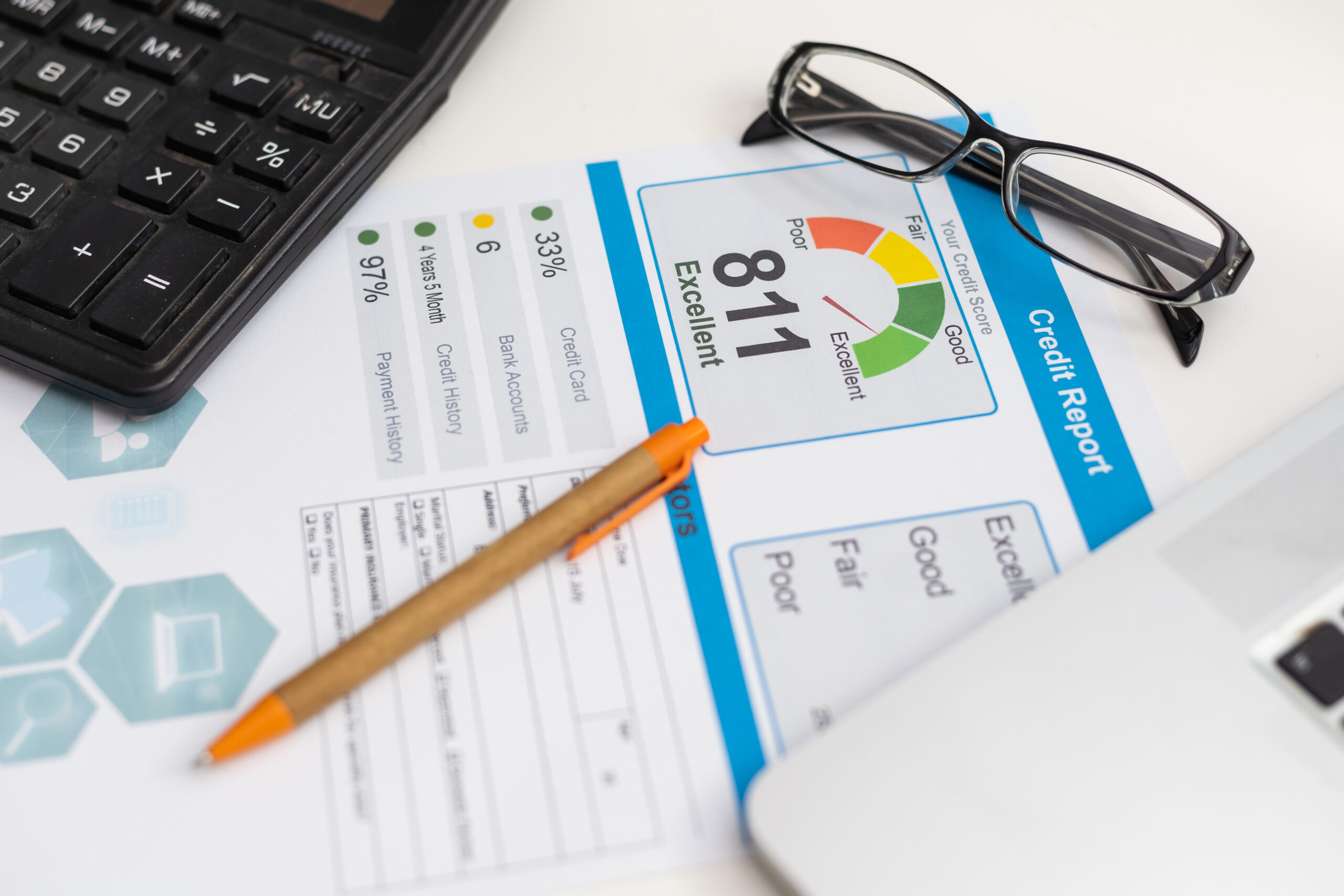
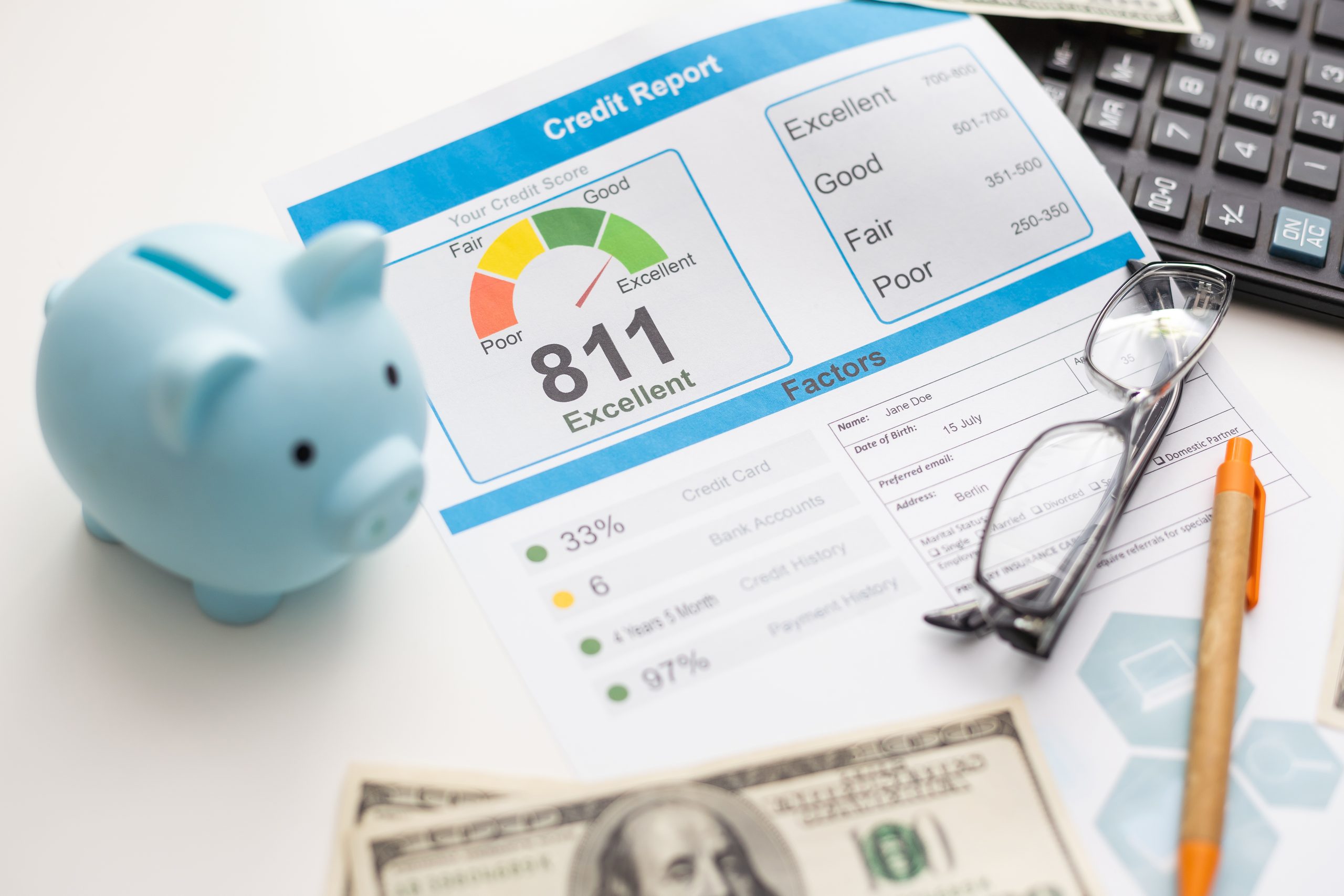
Look at the report, not just the number
Suppose Marcus checks his report after seeing his 22-point drop. He finds the car loan listed as paid and closed. Nothing else looks unusual. His credit card balances are about where he expects them to be, and there are no unfamiliar accounts or inquiries. He now has an explanation for why the score changed, and it wasn’t because his financial health suddenly got worse.
If instead Marcus found a credit card he never opened, that would be a different situation. The score would still only be telling him that something changed, but a review of his credit report would show him where to start looking. And if he found an error, he could dispute the inaccurate information with the credit reporting company and, when appropriate, the company that provided the information.
The following practice gives us a useful habit when a score changes unexpectedly: Check the credit report. Find what changed. Decide whether it is accurate and legitimate. Then address it if necessary. That is more useful than checking the score every day and reacting to every point, which can cause undue stress.
If a recent credit score has changed by around 20 points or more and we don’t know why, check the underlying credit report. Look for a new account or inquiry, an unexpected balance, a payment reported incorrectly, or another change that could explain the movement. As we discussed in a previous column, our free credit reports are available at AnnualCreditReport.com.
A credit score can change even when we aren’t applying for anything. But eventually, many of us will decide to utilize credit. We’ll need a car, want to refinance a loan, apply for a credit card, or need to borrow for another major expense. At that point, understanding our credit isn’t just about knowing what changed; it’s about what happens when we put that information in front of a lender.
Until now, we’ve mostly looked at credit from our side of the table: what appears on our reports, how scores are calculated, and why those scores change. Next week, we’ll look at what happens from the other side of the table: when a lender receives an application and decides whether to offer credit and on what terms.
Learn more about credit reports and scores from the Consumer Financial Protection Bureau at consumerfinance.gov/consumer-tools/credit-reports-and-scores/.
This column is produced by the Washington State Department of Financial Institutions, Washington’s financial services regulator, to provide consumer education and protection. Learn more or file a complaint at www.dfi.wa.gov.