BY NATHAN SPIECKER for WEEKLY VOLCANO | 8/21/2026
Maria had heard for years that she should check her credit report before applying for a loan. She finally did it when she started shopping for a used car. The report was longer than she expected. She recognized her credit card and student loan, but there were also company names she didn’t recognize, an old address, and several inquiries. Nothing immediately looked like fraud. She simply wasn’t sure what she was looking at.
This is a common reaction. We hear about credit reports all the time, but many of us don’t see one until we’re preparing to borrow money or until something goes wrong.
A useful way to think about a credit report is as a kind of report card. It records information about how we’ve handled credit, but it doesn’t tell the whole story about us. A school report card might show how someone performed in a few classes, but it doesn’t tell us whether that person is a good friend, parent, employee, or neighbor. A credit report is similar. It describes part of our financial history. It doesn’t measure our character or our worth, and unlike a school report card, there isn’t a teacher handing out grades. A credit report is a collection of information that lenders and other companies may use when making decisions about us.
So what should we look for when we get one? Let’s start with the accounts. Credit cards, auto loans, mortgages, and other credit accounts may appear on our reports. We should recognize the companies and accounts listed. We can also look at the balances, credit limits, and payment history and ask whether they match what we know about our accounts.
This can be especially useful when we’ve had an account for a long time. We may remember opening a credit card years ago but not remember which company currently services it. A lender may have sold or transferred an account, and the name on the report may look different from the name we remember. That doesn’t automatically mean something is wrong, but it does mean we may need to take a closer look before deciding whether there is a problem.
Then look at the personal information. Our name and current or former addresses may appear on the report. An old address isn’t necessarily a problem, but it is worth knowing what information is associated with our file.
There may also be inquiries. These show when a company has requested our credit report. Some happen because we applied for credit or when we get a preapproved credit offer. Others may be made for purposes that don’t affect our credit score. And for clarity’s sake, it’s important to mention that checking our own credit report does not lower our score.
The point isn’t to memorize every part of a credit report. It’s to get familiar enough with our own report that we notice when something doesn’t make sense. This is especially important when we see an account we don’t recognize or information that doesn’t match our records. We might recognize the company but not remember the account. A balance might look wrong. An inquiry might not look familiar. We don’t have to figure out the answer immediately, but we shouldn’t simply ignore it either.
Here is an easy way to get started. If we want to check our credit reports, annualcreditreport.com is the place to begin. It is the official site for getting reports from the three major credit reporting companies: Equifax, Experian, and TransUnion. Using one site means we don’t have to visit three different websites just to request our reports. And best of all, we can access our credit reports once a week for free through this site!
That’s worth remembering, because a search for “free credit report” can bring up plenty of other websites. Some may offer a free report while also trying to sell credit monitoring or other services. Those products may be useful for some people, but we don’t need to buy one simply to get our credit report. In other cases, websites advertising free credit reports could in fact be fraudulent and may be stealing the sensitive personal information that we enter to get our credit reports, exposing us to a lot of risk. This is why it’s important to access our credit reports through annualcreditreport.com, the only website that was established by federal law to provide free credit reports from Equifax, Experian, and TransUnion.
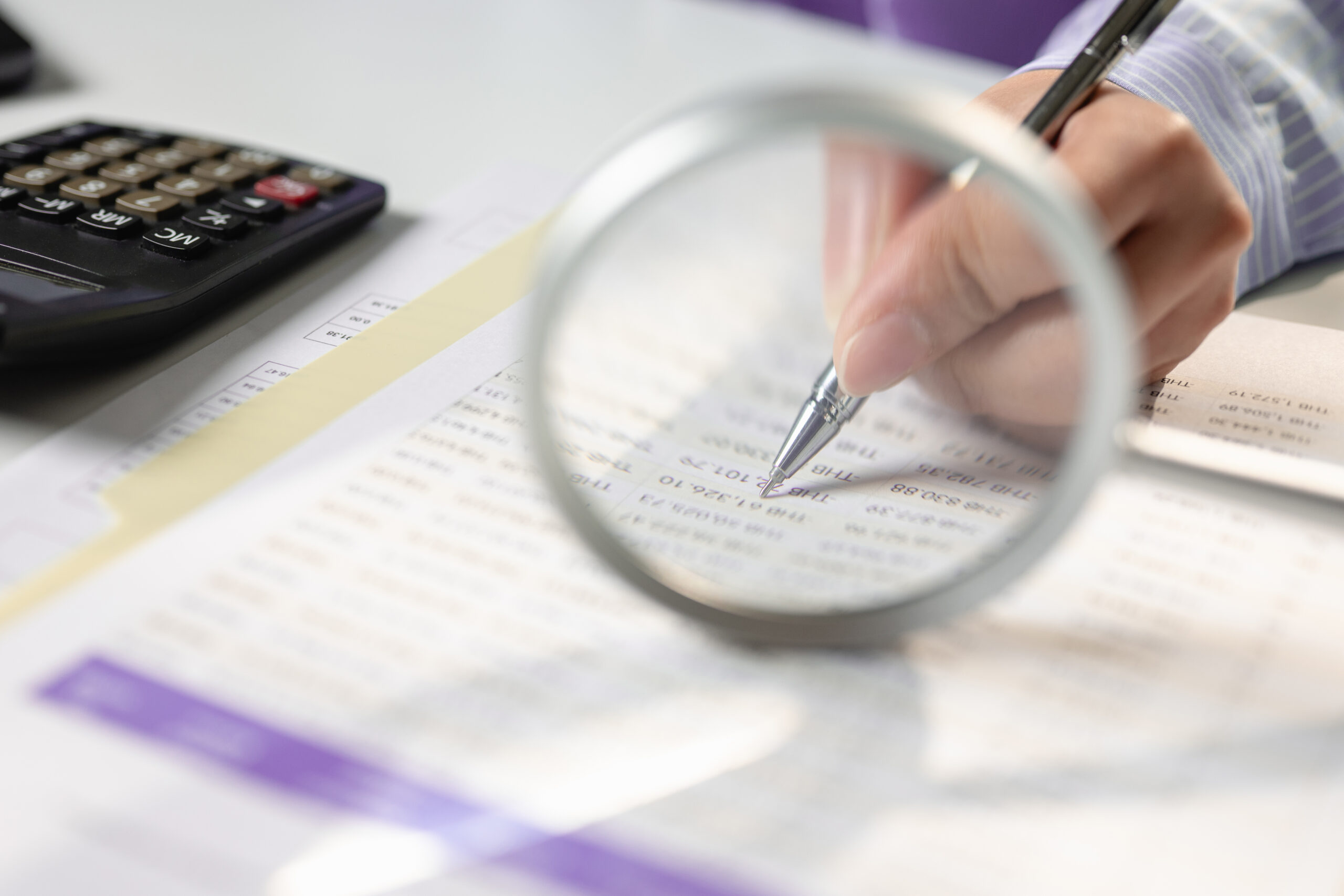
Once we have the reports, we can take a few minutes to look through them. We don’t need to understand every abbreviation or piece of industry terminology. We just need to ask a few basic questions: Do I recognize these accounts? Do the balances and payment information look right? Is my personal information reasonably accurate? Are there inquiries I don’t remember? And if we have questions about abbreviations or terminology, a quick online search can help clarify and give us more peace of mind.
It can help to look at the reports one at a time, rather than trying to make sense of everything at once. The three major credit reporting companies don’t necessarily have identical information. A lender or other company may report information to one, two, or all three of them. If something appears on one report but not another, that doesn’t automatically mean either report is wrong.
Checking our reports is not about trying to achieve a perfect financial record. None of us has a financial history that can be summed up in a single document. The point is to know what information is being reported about us, so we can recognize a problem when one appears.
For this week’s action, visit annualcreditreport.com and request your credit reports. If you find something that looks unfamiliar or incorrect, write it down and keep looking. Don’t assume that because information appears on a credit report, it must be correct.
Next week, we’ll take the next step: What happens when the information on our credit report is wrong?
This column is produced by the Washington State Department of Financial Institutions, Washington’s financial services regulator, to provide consumer education and protection. Learn more or file a complaint at www.dfi.wa.gov.