BY KEELIN EVERLY-LANG for WEEKLY VOLCANO | 10/9/2026
“If you had told my younger self that I’d be where I am today with 10 years self harm-free and being the program coordinator and helping other people find resources, I probably would have laughed in your face,” Becca Boston told Weekly Volcano.
As a teenager and young adult, Boston struggled with an addiction to self-harm and challenges with domestic violence and learning disabilities, including dyslexia and auditory processing disorder.
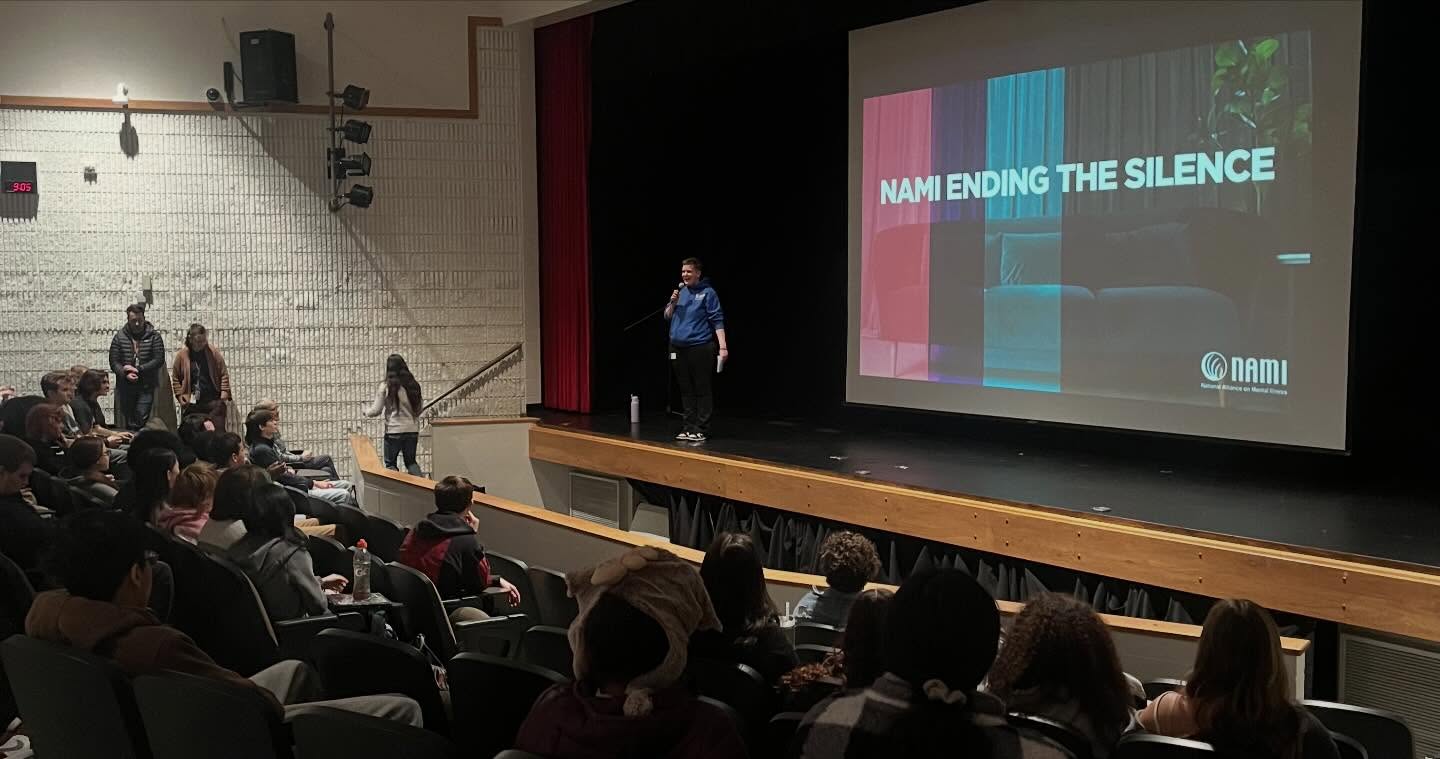
Today, Boston is the Program Coordinator at the Pierce County chapter of the National Alliance on Mental Illness (NAMI), the very organization that was one resource that helped her in her recovery as a young adult.
NAMI is one of many resources in the Tacoma and Pierce County region that offer support and community for people dealing with mental health challenges. While the statewide chapter of NAMI shut down earlier this year, the smaller city and county-based chapters are still actively providing support to the community, and even came together to run the annual awareness fundraiser, the NAMI walk, Boston said.
The organization runs two support groups: one called Connections, which is for individuals who are 18 and older and living with a mental health condition, and Family Support Group, which is for those who are supporting a loved one.
The groups are held every month and are led by trained peers with lived experience.
NAMI also runs visits to middle school and high school classrooms in the area to talk to young people about resources, tools and how to get help if they need it.
While discussing mental health in school is much more common now than it used to be, that hasn’t gotten rid of the prevalence of mental health issues.
“Hearing youth come up to me and either share, you know, their testimony or share how they’re struggling … it’s a reminder of how far we also have to go,” Boston said.
The data backs this up. In a 2023 Healthy Youth Survey, 17.3% of Pierce County 10th-graders said they seriously considered suicide, and 9% said they attempted it. Nearly 63% said they felt anxious, nervous, or on edge, and 31.8% reported feeling sad or hopeless for more than two weeks.
The good news about the awareness of these mental health struggles is that it is focusing attention on building resources.
One new resource is a uniquely structured hotline called Hear Me WA that launched in the state in 2024 due to advocacy by a college student from Kennewick named Conner Mertens.
After Mertens spoke out about the youth mental health crisis in his community, he turned that experience and concern into collaboration and action, and worked with local leaders to build a program where young people could get anonymous help.
The result is a 24/7 free hotline for those under 25 who need support or are concerned about a friend.
Funding from the Attorney General’s office provided the resources to develop the program in partnership with youth advisors to ensure that it actually meets community needs.
Those who need this support can call or text and be connected to a supportive person from the Sandy Hook Promise National Crisis Center, which receives and responds to every HearMeWA call and online report.
Between April 30, 2024, and April 30, 2025, HearMeWA received 161 reports, according to the organization’s annual report.
The most frequently reported concerns were bullying and cyberbullying, followed by depression, harassment and anxiety. Over half of the reports that first year were deemed critical and were sent to education services.
Another hotline specifically for youth provides the opportunity to speak directly to another teen who has been trained on how to help.
Teen Link is a peer-to-peer support line for teens, by teens, that is available from 6 p.m. to 10 p.m. daily by calling or texting 866-833-6546.
An app-based resource called Teen Talk also provides a way to connect with trained peer supporters and is anonymous and free. Teen Talk is available on any app store.
These are just a few of the resources that Boston provides when she connects with young people in the community, and said she has personally accessed similar resources when she needed them.
In one particularly memorable moment, Boston said she wanted to call a friend or family, but knew they were dealing with a lot already and didn’t want to add to their stress.
“I just felt like I needed an outside ear to tell me what to do and help ground me because my anxiety was off the roof, and I was concerned that I was going to relapse,” she said.
She also encourages people to remember they don’t have to be in a full-blown crisis to reach out to these resources for support.
Tacoma and Pierce County also have more resources aside from support lines.
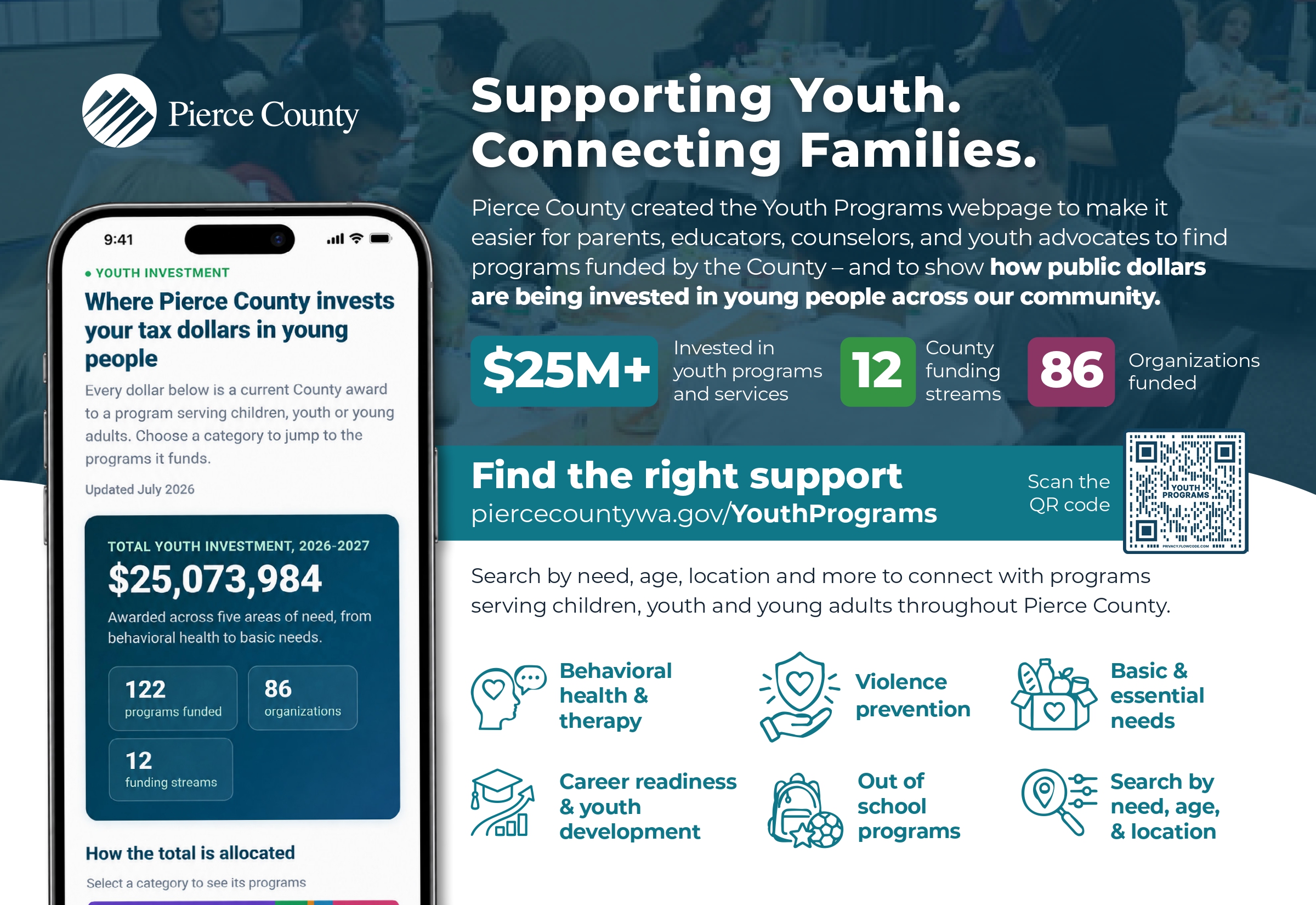
The Tacoma-Pierce County Public Health Department has a variety of resources on their Youth Behavioral Health page, and Kids’ Mental Health Pierce County is another place to find support.
When reaching out for help, Boston said she encourages people to remember that even though “it can take so much time through trial and error in your recovery to find either your coping skills or your people, I feel like the more that you can have that resilience, the more that I feel like you will find a place to belong and a place to give your pain a voice and receive the help that you need.”
That time spent learning what works for her has paid off. To that younger version of herself who could never have imagined the positive places her path would lead, she has one last thing to say: “Never say never!”