BY SYED K. JAMAL for WEEKLY VOLCANO | 11/20/26
What if one of the best ways to make our cities safer was also one of the most joyful?
We often talk about public safety in terms of policing, crime prevention, emergency response, and infrastructure. All of these matter. But there is another part of the conversation we should not overlook: how well people know one another, how connected they feel to their neighborhoods, and whether they feel they belong to the city they call home.
What if we made celebration part of our public safety strategy?
More celebrations can mean more connections. More connections can mean stronger neighborhoods. And stronger neighborhoods can contribute to safer communities.
Loneliness is more than a personal problem
America is facing a growing challenge of loneliness and social disconnection. In 2023, the U.S. Surgeon General declared loneliness and social isolation a significant public health concern. According to the Centers for Disease Control and Prevention (CDC), 30.8% of American adults reported always or usually feeling lonely in 2024.
Loneliness isn’t simply about living alone. It’s about feeling disconnected, unseen, or excluded. A person can live in a crowded city and still feel they have no meaningful connection to the people around them.
We have invested heavily in roads, buildings, businesses, and digital infrastructure. But have we invested enough in the social infrastructure that helps people connect?
Parks, libraries, community centers, neighborhood businesses, cultural institutions, and public celebrations can all help fill that gap.
Connection is becoming a national priority
The U.S. Chamber of Connection is helping bring this issue into the national conversation. Its 2026 report, The Six Points of Connection: The State of Connection in America, found that 52% of Americans fall into its at-risk or vulnerable categories for social connection.
Celebration can be a social glue
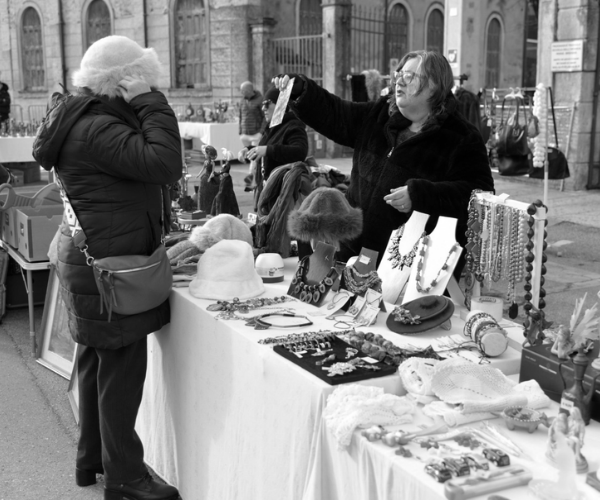
Think about what happens when a neighborhood comes together for a festival, a public performance, a community market, or a cultural celebration.
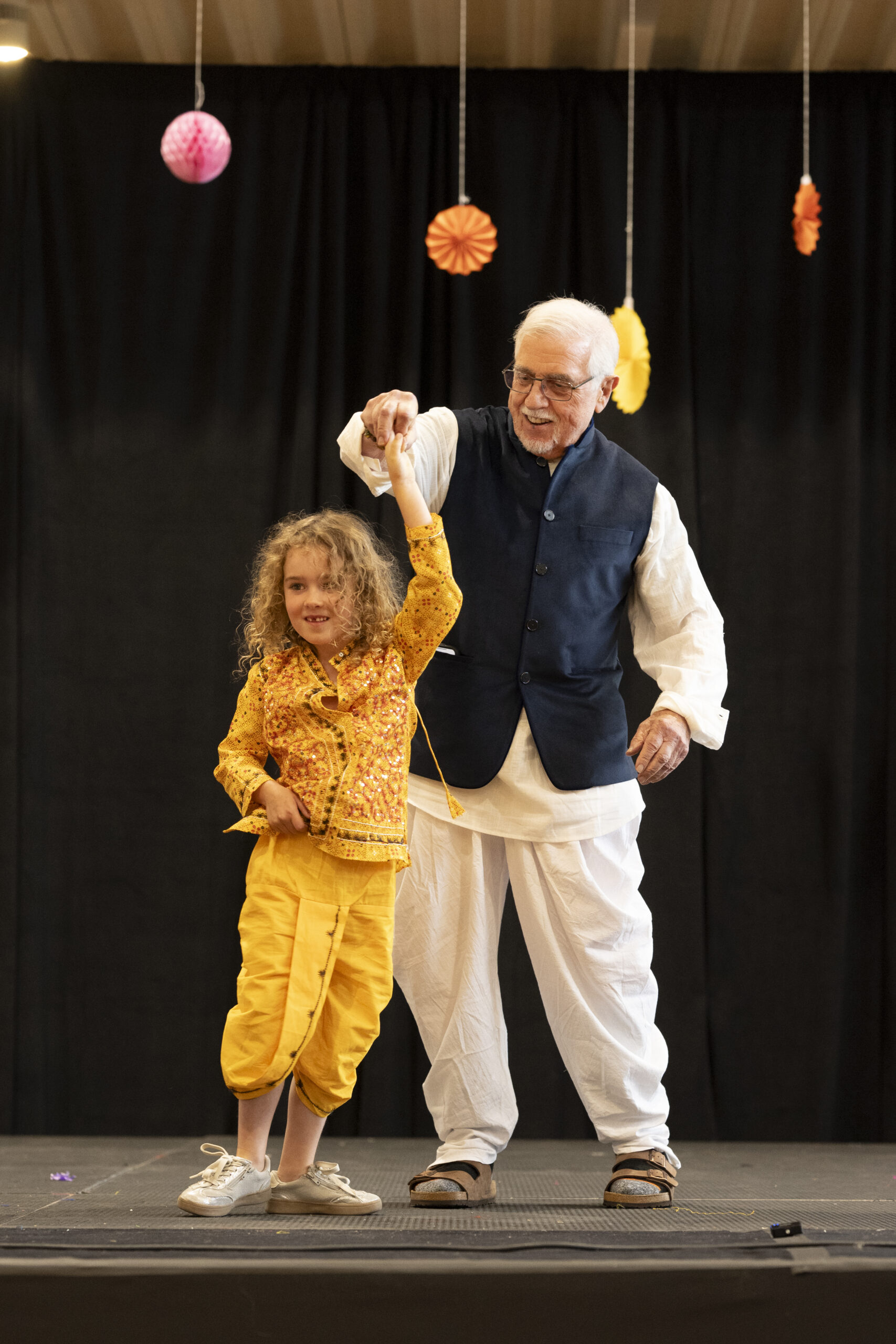
People meet someone they might never have spoken to. Children make friends. Older residents find opportunities to socialize.
Local businesses meet new customers. Volunteers discover organizations they want to support.
These may seem like small moments, but repeated over time, they can change how people relate to one another.
That is the power of celebration. It gives people a reason to come together, share an experience, and recognize that they are part of something bigger than themselves.
This can also strengthen what researchers call collective efficacy: the ability of neighbors to trust one another and work together for the common good.
Of course, a festival by itself won’t eliminate crime. But a city that creates more opportunities for positive interaction can help build the trust, familiarity, and shared responsibility that contribute to safer neighborhoods.
Tacoma can lead the way
Tacoma has an opportunity to take this idea further and become a model city for America.
Imagine a city that doesn’t treat celebrations as occasional entertainment or isolated annual events, but as an important part of how it builds community.
Literary festivals can bring readers, writers, students, educators, and families together. Cultural festivals can introduce residents to traditions, food, music, performances, and stories from around the world. Film screenings in neighborhood cafés can turn local businesses into welcoming gathering places. Workshops, youth programs, artist showcases, community markets, and neighborhood celebrations can give people of all ages opportunities to participate.
Each activity creates another opportunity for connection.
The bigger ambition is to make celebration a kind of social glue: something that brings people across generations, cultures, neighborhoods, and economic backgrounds together.
Over time, this can transform people’s relationship with their city. Residents stop seeing Tacoma simply as the place where they live, work, or commute. They begin to see it as a place they help shape, contribute to, and take pride in.
That is what community ownership looks like.
Tacoma doesn’t need to copy another city’s model. It can develop its own approach, bring together civic, cultural, business, educational, and nonprofit communities, and show the rest of America what is possible when celebration becomes a deliberate civic strategy.
Law enforcement belongs at the table
This vision must include law enforcement.
Community organizers and cultural institutions should work closely with police departments and public safety professionals — not just to arrange event security, but to understand their responsibilities, perspectives, procedures, and everyday challenges.
Officers can help organizers plan for crowd management, traffic control, emergency access, threat assessment, de-escalation, and coordination with emergency services. Their experience can make events safer and better organized.
Just as importantly, community events give residents and officers opportunities to meet outside emergency situations. They can talk, listen, understand different perspectives, and build relationships based on mutual respect. The Tacoma Police Department already has an ongoing community partnership program, and its Community Liaison Officers (CLOs) are fully commissioned police officers assigned to the Community Policing Division to partner with residents, neighborhood councils, and block groups.
This should be a genuine partnership. Community organizations need to understand the realities of public safety work, and law enforcement agencies should recognize how positive community activities can strengthen trust and neighborhood relationships.
Public safety is a shared responsibility. It takes all of us.
From attending events to owning the city
The goal should be bigger than filling a calendar with festivals.
Imagine local businesses supporting activities, young people volunteering, artists teaching workshops, schools showcasing student work, and neighborhood organizations helping shape events. Imagine residents becoming organizers, mentors, volunteers, and partners.
That is how an event can become the starting point for lasting relationships.
Cities should measure not only attendance and economic impact, but also participation, volunteer engagement, new partnerships, residents’ sense of belonging, and perceptions of neighborhood safety.
A model for America starts with belonging
Tacoma has the ingredients to lead a new kind of civic movement — one that recognizes celebration as more than entertainment. It can be a practical way to build relationships, bridge differences, support local businesses, strengthen neighborhoods, and reconnect people with their city.
We shouldn’t have to choose between a safer Tacoma and a more vibrant Tacoma. We should be building both.
People need more than places to live. They need places to belong, people to know, and reasons to feel proud of where they live.
Perhaps Tacoma can show America that one way to build a stronger city is to give people more reasons to come together and celebrate their togetherness.
A city that celebrates together has more opportunities to look out for one another.
More celebrations. More connections. More kindness. A safer Tacoma — and a new model for America.