
BY NATHAN SPIECKER for WEEKLY VOLCANO | 11/20/26
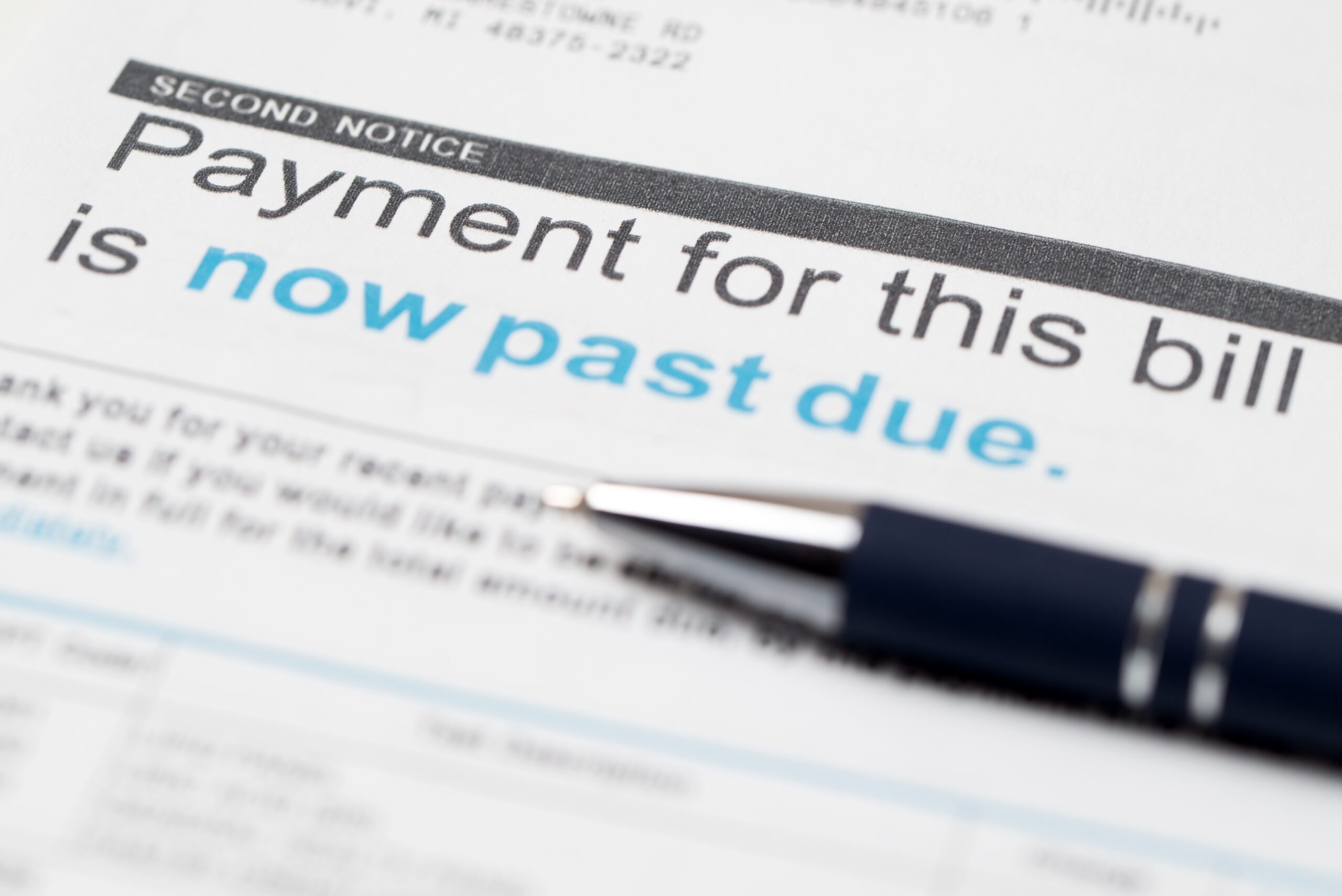
For a long time, the bills get paid on time. The mortgage or rent is covered, the car payment goes through, and there is enough left for groceries and other expenses. Then someone has their hours cut at work. The next paycheck is smaller than expected, but the bills arrive just the same.
At first, the family thinks it can catch up next month. But another bill comes due, and before long there is not enough money to cover everything.
A change in income can turn a manageable payment schedule into an impossible one. Sometimes the problem is temporary. Other times, the numbers simply no longer work. Knowing which situation we are dealing with can help us decide what to do next.
One place to start is with the companies we owe money to. If a payment is becoming difficult to make, contacting the lender or creditor before missing it may give us more options. Some companies offer hardship programs for people dealing with reduced hours, job loss, illness or other financial disruptions. Depending on the company and the circumstances, that might mean a temporary reduction in payments, a different due date, an extension or a lower interest rate.
There is no guarantee that a creditor will offer help. But a conversation is worth having before late payments and additional charges make things harder. Explain what has changed, how much can realistically be paid, and whether the problem is expected to be temporary. Ask if there is a hardship department or a payment arrangement for customers experiencing financial difficulty.
Before agreeing to anything, find out what happens to the balance. A payment pause may not stop interest from building up. A lower payment could mean a longer repayment period or more interest paid over time. It is also worth asking how the arrangement will affect the account and credit reporting, and what the regular payment will be once the arrangement ends. A payment that looks manageable for a few months may not be affordable afterward.
It’s important to keep notes about these conversations, including the date, who we spoke with and what was discussed. Ask for the agreement in writing and save any letters or emails. If there is a disagreement later, having a record can make a difference.
When money is short, we may also have to make some difficult decisions about which bills to pay first. It can be tempting to pay whichever creditor is calling most often or put off the bill that seems easiest to ignore. But the consequences of missing a payment are not the same for every obligation.
Falling behind on rent or a mortgage can put our housing at risk. Missing car payments can lead to repossession, which can be particularly damaging when a vehicle is needed to get to work. Losing essential utilities can affect a household’s ability to remain safely housed. Insurance and court-ordered obligations can carry serious consequences, too.
Credit card and other unsecured debt payments matter, but when there is not enough money for everything, it helps to consider what could happen – individually for each bill – if it goes unpaid. The right order depends on the household and its circumstances. The Consumer Financial Protection Bureau (CFPB) has a bill-prioritization tool that can help us think through those decisions.
For some households, talking with a nonprofit credit counseling agency may also help. A credit counselor can review income, expenses and debts, explain possible approaches, and help develop a plan. One option may be a debt-management plan. The agency works with creditors to see whether interest rates or fees can be reduced, then organizes payments into a plan. The consumer generally makes one payment to the agency, which distributes the money to creditors.
A debt-management plan does not erase what is owed, and it may not cover every type of debt. Before signing up, ask about fees, which accounts can be included, how long the plan will last and whether the payment is realistic for the household budget.
Debt-management plans are different from debt-settlement services. Settlement companies offer to negotiate with creditors to accept less than the full amount owed. Some ask consumers to stop making payments while they set aside money for a possible settlement. That approach can backfire. Balances may grow, late fees can add up, collection efforts may continue, and creditors can sue. There is also no guarantee a creditor will agree to settle.
Be wary of companies that promise to make debt disappear, settle everything for pennies on the dollar or stop all collection calls. Claims about special government programs that erase credit card debt are another warning sign. Before paying a company to negotiate debts, consider speaking with a nonprofit credit counselor or contacting creditors directly.
Sometimes, even a reduced payment or a repayment plan is not enough. Bankruptcy is a legal process through the federal courts that may provide relief from certain debts. The two types most commonly used by individuals are Chapter 7 and Chapter 13. Chapter 7 may allow eligible debts to be discharged, although some property may be used to repay creditors and some debts cannot be discharged. Chapter 13 involves a court-approved repayment plan, generally lasting three to five years, for people with regular income who meet the requirements. Bankruptcy has lasting financial and legal consequences, so anyone considering it should speak with a qualified attorney about their circumstances.
When a payment becomes impossible, waiting and hoping the problem will resolve itself can leave fewer choices. A creditor may not be able to offer the arrangement we need, and outside help may not solve every problem. Still, finding out what is available is better than making assumptions or agreeing to a payment we cannot afford.
If a payment problem is developing, contact the creditor and ask about hardship options. Be honest about what the household can pay, read any proposed agreement carefully, and keep a record of what is promised.
The CFPB’s Your Money, Your Goals toolkit includes resources for managing bills and debt, as well as finding credit counseling. The U.S. Courts also provides general information about bankruptcy. If there is a problem with a financial service provider, the Washington State Department of Financial Institutions may be able to help explain options or take a complaint.
Next week, we will look at what happens when a debt remains unpaid and is sent or sold to a collection agency. The rules change, and knowing our rights becomes especially important.
This column is produced by the Washington State Department of Financial Institutions, Washington’s financial services regulator, to provide consumer education and protection. Learn more or file a complaint at www.dfi.wa.gov.