BY KEELIN EVERLY-LANG for WEEKLY VOLCANO | 8/14/2026
Today, a search for Hosmer might come up with news coverage about hotels being transformed into housing or the sometimes controversial efforts to increase safety, or some of our recent coverage from our series highlighting businesses there in partnership with the Hosmer Business Association.
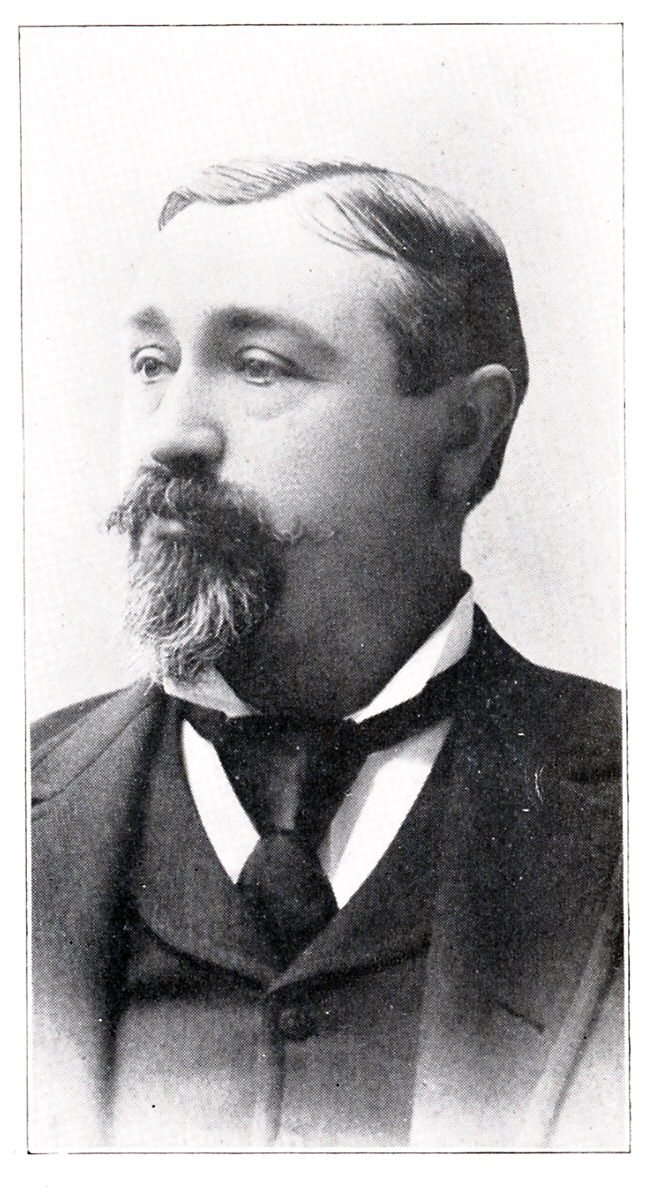
But what is the history of the street? We’ve found some pretty wild stories in the archives, which we’ll share with you soon, but today we start with the street’s namesake: Theodore Hosmer himself.
In a history put together by the Northwest Room, we learn that Theodore Hosmer was unanimously elected the first mayor of New Tacoma in 1882.
His role as mayor was short-lived, and he actually left the area later that year to access medical attention for his wife, Louise, in Philadelphia. When she died in 1885, Hosmer came back to the Tacoma area.
For those who aren’t familiar with the New Tacoma vs. Old Tacoma history, the first area named Tacoma was located closer to Steilacoom, and what was originally called New Tacoma was centered more on Commencement Bay.
New Tacoma grew around the railroad, which opened officially in 1883, and Old and New Tacoma combined to form one city the following year, according to HistoryLink.org, Essay 5055. The first mayor of the combined version of the city was John W. Sprague.
Hosmer first came to the area from Ohio in 1873 because of the expansion of the Northern Pacific Railroad in his role as the secretary of the committee that decided where the railroad’s endpoint would be.
Once the New Tacoma area was selected, Hosmer was “left in charge of clearing the area of cedar and fir trees, laying out the town and preparing the property for market,” according to the history compiled by the Northwest Room.
Up until this chapter in history, the land and forest that were cleared for the railroad and the expanding city had been stewarded by the Coast Salish Indigenous communities since time immemorial, specifically the Puyallup, who continue to do so today despite the challenges the past two hundred years have brought.
The tribe shares in its history that “our people extended their hands in friendship and assisted many who were seeking refuge and a better life in the West. Soon, however, the United States Government encouraged non-Native settlement of our lands and the new settlers quickly began crowding us out.”
The tribe has an overview of the history of the land and its community on its website, which also covers the land that S. Hosmer Street is now on.
Hosmer himself lived in a house that still stands today as the oldest residence in Tacoma. It was built in 1875 and stands today at 309 South 9th Street. In 2016, it was officially listed on the National Register of Historic Places.
Aside from being mayor, Hosmer was also the general manager of the Tacoma Land Co. and later became the president of Tacoma Light & Water Co.
Hosmer was also active in St. Luke’s Church and the Annie Wright Seminary, Washington State Historical Society and the Union Club.
S. Hosmer Street became an important north-south road as the city expanded, and Hosmer himself died in 1900.
Today, the street still represents the conflicting forces of change and the lingering legacies of the systems that built our current experience. Hosmer was one of many people who moved to this area to build something and create a good life, just as many of the current residents have.
The shifting landscape of the area today includes many echoes of those initial conversations about who is allowed to exist where and how best to ensure access to infrastructure and resources.
Hopefully, as the future continues to march forward, these visions of progress can include everyone who calls the area home, and the story of S. Hosmer Street will embody only the best ideals Hosmer and other founding fathers of the city carried, leaving those tied to domination, colonization and violence in the dust of the past.
This article paid for by the Hosmer Business Association