BY MATT KITE for WEEKLY VOLCANO | 10/2/2026
It always comes down to people. People have powered Tacoma’s community centers for decades, and in a time of budget shortfalls and cost-saving measures, people will keep those same community centers humming.
“We did a survey of several thousand people around our membership,” says Antonio McLemore, Parks Tacoma’s community center supervisor. “One of the things we heard very clear from customers is that one of the things they value the most, the number two thing, bigger than programs, bigger than space, was the people. Number one, obviously, was affordability, but number two was the people, the staff. So I think what makes community centers special is our staff, our staff’s ability to engage and truly care.”
McLemore supervises Tacoma’s four community centers: People’s Center, Eastside Community Center, the STAR Center, and the Center at Norpoint.
Recent city budget cuts hit all four centers hard. The centers are no longer open on Sunday, and weekday hours have been trimmed. Staff numbers were reduced, hiring was frozen, and some childcare and youth programs were cut.
Membership rates, meanwhile, have gone up. Although youth membership is still free, the going rate for adults (19–59) has been raised to $35 per month for residents and $45 per month for nonresidents. Senior rates are now $26 and $34, respectively, for residents and nonresidents. A single membership is good at all four community centers.
Tacomans can help mitigate those changes by applying for memberships in bigger numbers. Indeed, if more of the city’s residents and workers owned memberships, the city’s community centers would no longer have to lean so heavily on city funding.
“Membership is a critical revenue source,” McLemore says, “but there are some things we’re doing internally to better address community center members’ needs.”
To make sure everyone is enjoying the most community centers have to offer, McLemore and his team have had to look for ways to better allocate resources. A good example can be found in the misuse of financial aid, which is best aimed at people who can’t afford membership, not at individuals who want to hire a personal trainer.
“We are six hundred percent over budget in personal training,” McLemore explained, “because seventy-five percent-plus were relying on financial aid. No matter where you are in the country, it’s a standard practice that personal training is considered a luxury. We believe everybody should have access to a fitness area at a reasonable price, and if they don’t have resources, financial aid should be available for membership. However, if you’d like personalized training, that comes at a premium cost.”
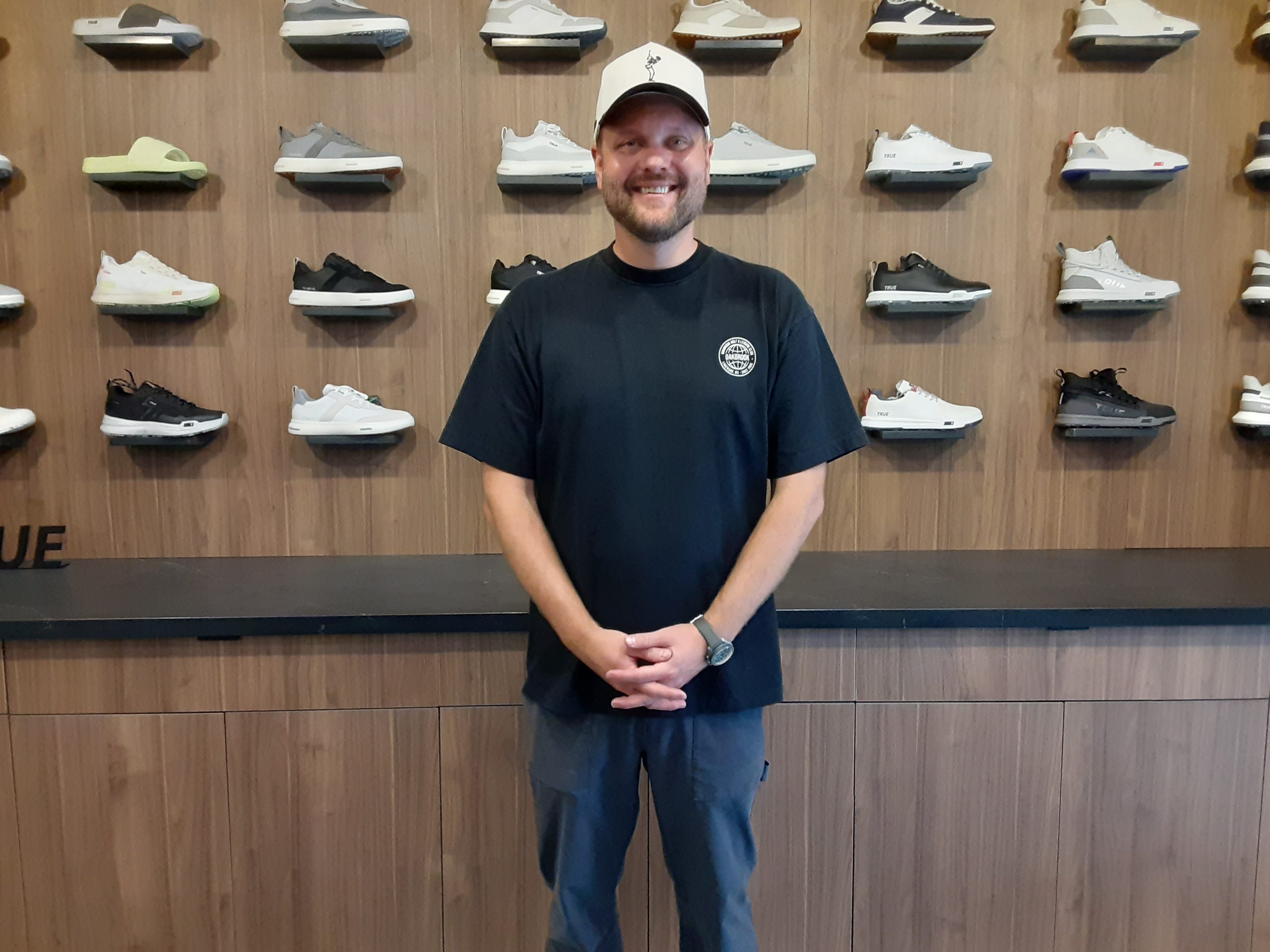
Now in his fifth year with Parks Tacoma, McLemore graduated from Stadium High and has deep roots in the community.
“I’ve lived in every region of Tacoma,” he says, “so I have ties to all these locations. It kind of reminds me of New York. The four different boroughs are all distinctively different, and so are the communities.”
The Center at Norpoint, McLemore explains, boasts the highest percentage of senior citizen members. In contrast, People’s and Eastside serve more youth. While Norpoint caters to a more monolithic and stable demographic, People’s and Eastside host more transient and diverse groups. As a result, Norpoint doesn’t need a seniors program, per se, because seniors make up such a large segment of the membership already. But seniors at People’s Center and Eastside can feel underserved, especially in the wake of the recent closures of nearby Beacon Senior Center and Lighthouse Senior Activity Center.
People’s Center, Tacoma’s oldest community center, opened in 1978 and is nearing the half-century mark. Eastside, in contrast, is the youngest at eight years old. The STAR Center opened in 2012, and Norpoint opened in 1994.
Part of his job, McLemore insists, is preserving the history of each location. The People’s Center, for example, can trace its roots to the 1960s and the Hilltop Youth Center, later renamed the Malcolm X Center. On the building’s east-facing façade, a giant mural created by the HUE Collaborative in 2017 pays homage to Malcolm X and his legacy.
Regardless of their different populations and origin stories, all four community centers share the same core function.
“Our centers are designed to serve community and not the other way around,” McLemore says. “Sometimes in government, we don’t always get that right. But we understand our role in serving community and ensuring that our decisions, programs, and operations are all informed by community instead of the other way around. We don’t want to be imposing. This happens a lot in government, where we’re telling communities what they need and what they desire and what they should look like.”
McLemore emphasizes cocreation: collaboration between decision makers and community members. Jacques Colon, the city’s former strategic manager and now its chief strategy officer, left a lasting impression on McLemore a few years ago when he explained that good governance requires open communication between all parties involved.
Even a decision made in good faith, McLemore explains, can undermine the community if resources are allocated in a harmful manner. Community leaders and decision makers do their best work when they slow down the process to determine who will feel the impact of a decision. Smart questions follow, and typically those questions are best answered by those community members most affected by governance.
Thus the conversation returns to where it started: the people.
McLemore uses words like heartbeat and epicenter to describe Tacoma’s community centers. Gentrification, shifting demographics, and budget shortfalls all make an impact, but the people have the ultimate say in what they want their community centers to look like.
“I’m really grateful for the amazing staff we have that show up every day to care for customers and support their needs,” he says. “These folks are passionate about this. It’s recreation. You don’t get into this work to become a millionaire. You get into it to serve folks.”
To learn more, visit www.parkstacoma.gov.